









7 Creative Collateral You Need for Your Next Project Pitch
Pitching a project well takes more than a confident presenter and a good idea. What you leave behind, what you show on screen, and what you put in someone’s hands before they make a decision all contribute to the outcome. Real estate brochure ideas the client’s perception of your professionalism and capability before a word is spoken. Get them right and they do some of the persuasion work for you. Get them wrong and even a great verbal pitch struggles.
Why Creative Collateral Matters for Winning Project Pitches
- First impressions are set before the meeting starts: The quality of your materials signals the quality of your work
- Clients remember what they can see and touch: Tangible and visual materials have stronger recall than verbal presentations alone
- Collateral works after you’ve left the room: Decision-making often happens in your absence, with your materials doing the talking
- It separates you from competitors: Most pitches use similar slide decks; distinctive collateral stands out
- It demonstrates investment in the relationship: Tailored, high-quality materials show the client they’re worth the effort
Top 7 Creative Collateral Ideas to Strengthen Your Pitch
1. A Smart and Visually Engaging Pitch Deck
The pitch deck is the baseline. Every pitch has one. The difference between a forgettable deck and one that actually lands is usually structure and visual coherence, not volume of information. Less is more here. A deck that tries to say everything says nothing particularly well. Good pitch decks are clear about the problem, direct about the proposed solution, and give the audience space to absorb rather than just receive. The visual design isn’t decoration. It’s the frame that makes the content credible.
2. 3D Visualisations and Walkthrough Presentations
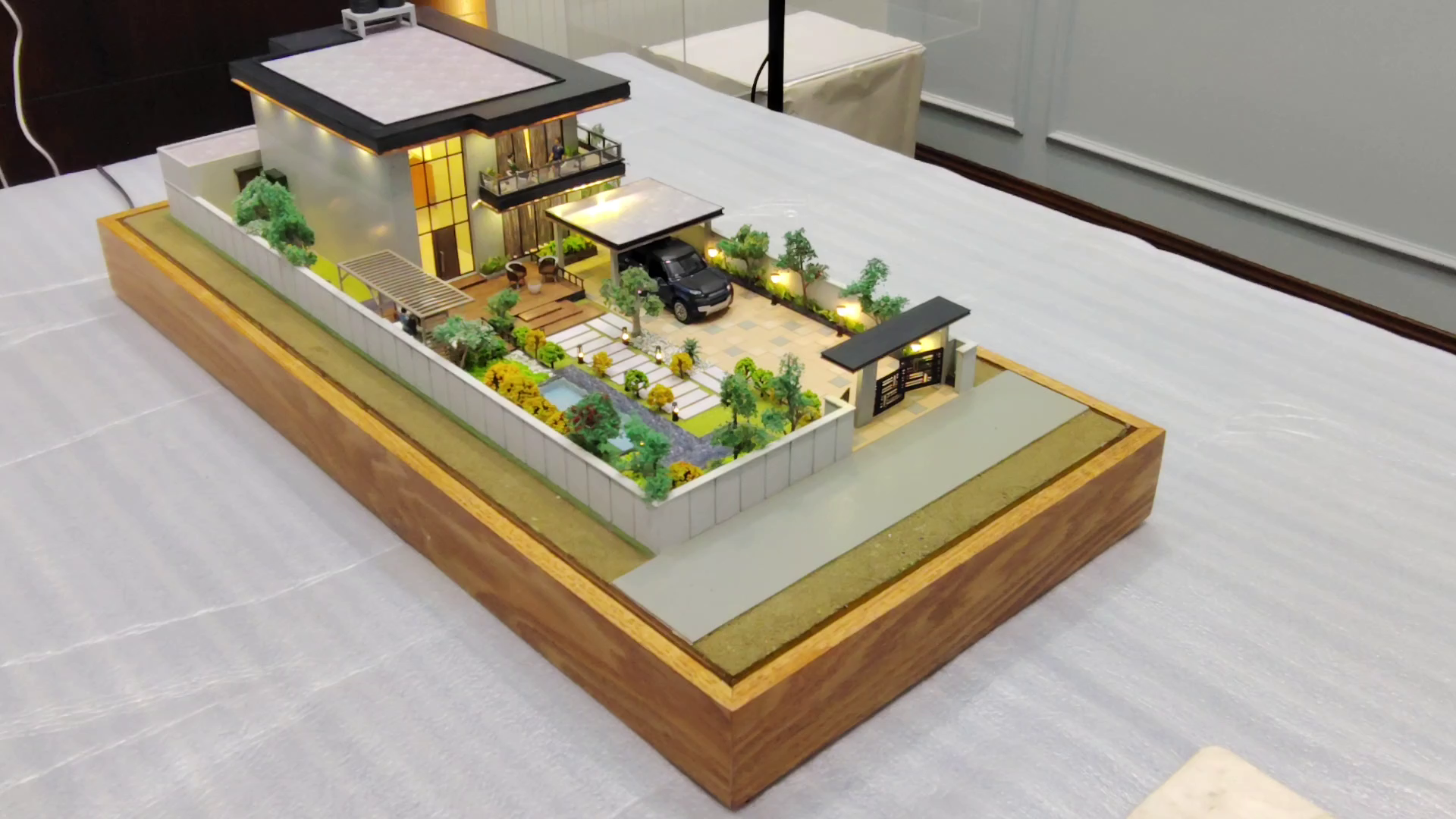
In sectors like architecture, property development, and interior design, 3D visualisations are no longer a nice-to-have. Clients expect to see what something will look like before it’s built. A well-produced render or walkthrough changes the nature of the conversation in a pitch entirely. Instead of asking clients to interpret drawings, you’re showing them the finished result. That shift moves the discussion from possibility to preference, which is a much better place to be when you’re trying to close.
3. Interactive Microsites and Digital Pitch Kits
A digital pitch kit, whether it’s a microsite, a password-protected link, or a branded PDF with embedded media, extends the pitch beyond the meeting room. Clients can revisit it after the presentation, share it with decision-makers who weren’t present, and explore sections at their own pace. For large or complex projects where the decision cycle is long, this kind of collateral keeps the conversation active between meetings. It’s also a practical way to include supporting material that doesn’t fit in the meeting itself.
4. Case Study Booklets That Demonstrate Expertise
A well-structured case study does something a credential slide can’t: it shows the work in context. What was the problem? What approach was taken? What was the outcome? That narrative builds confidence in the team’s capability more effectively than a list of past clients. Printed booklets work particularly well here. The physical format slows the reader down and gives each case study the attention it deserves. Digital versions are shareable, but there’s something about a well-designed printed case study that carries weight in a face-to-face pitch setting.
5. Motion Graphics and High-Impact Pitch Videos
Motion graphics are good at simplifying complexity. If your project involves a process, a system, or a sequence that’s difficult to explain in still images or words, animation makes it clear fast. A 60 to 90 second motion graphic used at the right moment in a pitch can shift the energy in a room noticeably. Longer pitch videos, two to three minutes showing past work, team capability, or project methodology, work well in pre-pitch research phases and in digital pitch kits sent ahead of a meeting.
6. Premium Print Collateral That Actually Gets Kept
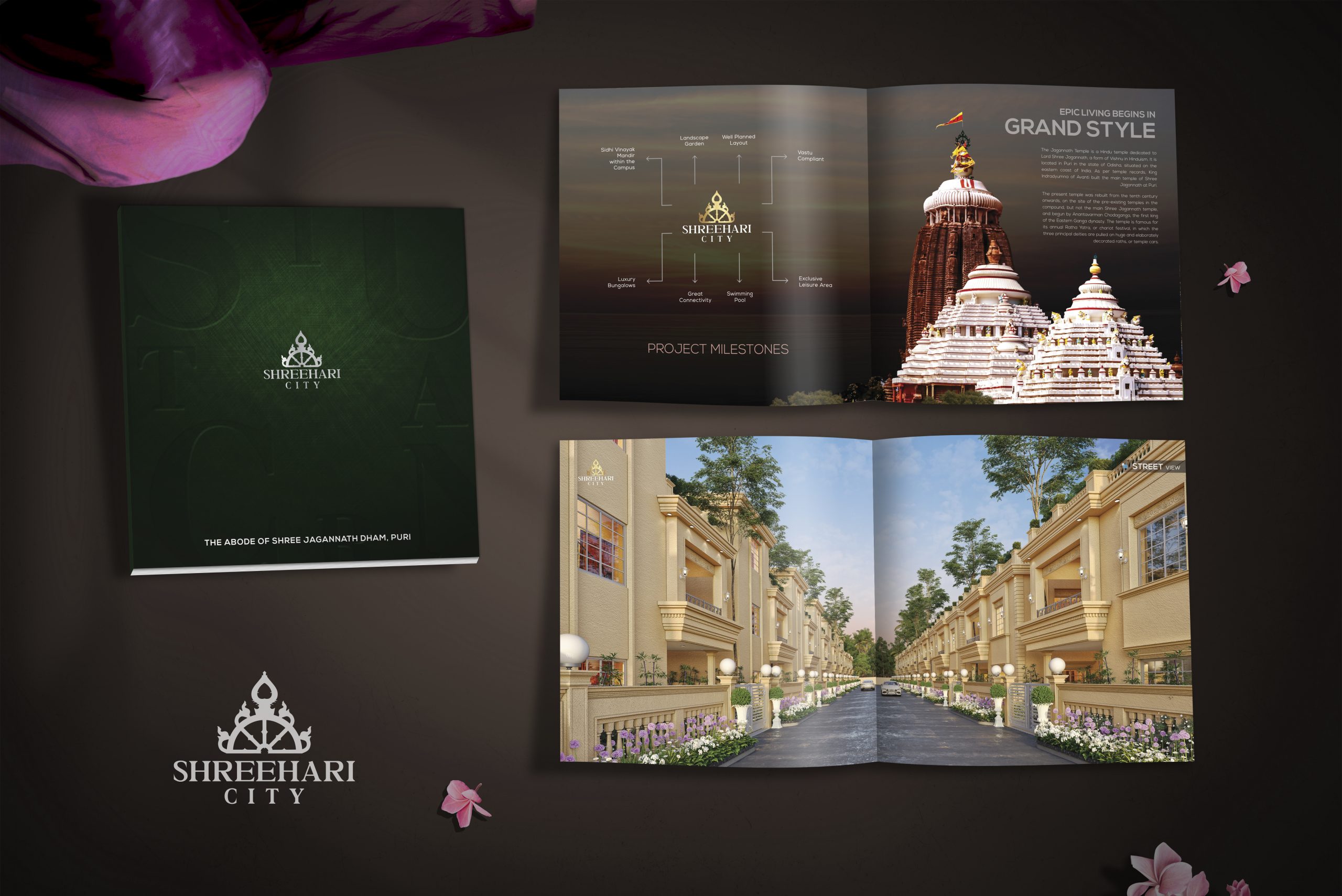
Print is where a lot of pitches either impress or lose ground quietly. A creative real estate brochure that’s properly designed, printed on quality stock, and specific to the project being pitched communicates a level of care that generic materials don’t. The paper weight, the finish, the binding all send signals. When a client picks something up and it feels substantial, that perception transfers to the company that produced it. Print is physical proof of your standards.
7. Branded Leave-Behinds and Custom Merchandise
Leave-behinds are the collateral that stays in someone’s office or on their desk after everything else has been filed away. A thoughtfully chosen branded item connected to the project theme, quality stationery, a custom notebook, a printed item that references something discussed in the meeting, keeps the company present in the client’s physical environment. The key word is thoughtful. Generic branded merchandise goes in a drawer. Something specific to the project and the conversation tends to stay visible.
How the Right Collateral Can Make or Break a Pitch
Pitches are won and lost on perception as much as capability. Two teams with similar credentials and comparable proposals are separated by how they present. Collateral shapes that perception continuously, from the pre-meeting email through to what the client is looking at three weeks later when they make the final call. Poor materials suggest poor execution. Strong, well-considered collateral suggests exactly the opposite. The investment in getting this right is almost always smaller than people expect, and the return on that investment in won pitches is measurable.
Tips to Choose the Best Collateral for Your Project Pitch
- Match the format to the client: a tech startup responds to digital innovation; a property developer to high-quality print
- Prioritise materials that work without you being in the room
- Keep design consistent across all pieces to reinforce brand coherence
- Don’t produce every type of collateral for every pitch; choose what fits the scale and stakes
- Invest more in pieces the client will physically hold or revisit
- Brief your designer on the client and the project, not just the format required
- Proofread everything twice; errors in pitch materials undermine the impression you’re trying to create
Conclusion: Winning More Clients with Creative Pitch Collateral
The pitch itself is the main event. But project collaterals are what make the pitch sustainable. They carry the argument after the meeting ends, give decision-makers something concrete to evaluate, and signal the level of care and preparation the company brings to its work. Building a consistent library of high-quality pitch materials is one of the highest-return investments a team can make in its new business process. Not glamorous. Genuinely effective.


