




How to Position a Luxury Residential Project?

The placement of a luxury residential project involves more than simply features and functions, it’s about selling a lifestyle, a premium living experience and an emotional appeal. Some luxury real estate marketing tactics involve playing up a prime location, setting the property apart with architectural design, providing top-notch facilities and amenities, and establishing the brand image for the developer as prestigious and high-end.
What is Luxury Project Positioning?
Positioning is the deliberate process of defining how a project sits in the minds of a specific buyer group, relative to everything else available to them. For a luxury residential project, that means going beyond square footage and finish schedules. It means deciding what the project stands for, who it is built for, and what makes it the obvious choice for those people over any competing option in the market.
Positioning is not a tagline. It is not the color palette in the brochure. Those are outputs of positioning, not positioning itself. The real work happens when you define the buyer precisely, understand what they value beyond price, and then align every element of the project, architecture, amenities, marketing, sales experience, around that understanding. Done well, it creates instant resonance with the right audience. Done poorly, the project just sits there looking expensive without generating the urgency that justifies the price point.
Target Audience for Luxury Housing
Luxury buyers are not a monolith. The person buying a penthouse for personal use has a completely different motivation from the NRI investor looking for a capital-growth asset. Getting the audience definition wrong means all the positioning work downstream is aimed at the wrong person. Here are the primary buyer profiles worth understanding:
• Owner-occupiers seeking a primary residence: typically high-net-worth professionals or business owners prioritising location, lifestyle amenities, and social signalling in their peer group
• NRI and international investors: motivated primarily by capital appreciation, brand credibility, and the security of dealing with a developer they trust remotely
• Senior lifestyle buyers: downsizing from larger homes, prioritising maintenance-free living, security, community, and proximity to medical and social infrastructure
• Young affluent professionals: entering the luxury market for the first time, brand-conscious and responsive to experiential marketing and aspirational storytelling
• Portfolio investors: primarily driven by rental yield potential, asset liquidity, and long-term market fundamentals in the chosen micro-market
Key Elements of Luxury Positioning
Location and Connectivity
Location in luxury real estate carries more weight than in any other segment. Not just the city or the neighbourhood but the micro-location. Floor-to-ceiling views of a coastline or a skyline, walking distance to a specific restaurant strip, proximity to international schools or business districts that matter to the target buyer. These details need to be surfaced clearly, not assumed. A lot of positioning decks describe location in generic terms when the specific story of this particular site is far more compelling.
Connectivity also has a practical and symbolic dimension. Easy airport access matters to buyers who travel frequently. Proximity to premium retail and dining matters for day-to-day lifestyle alignment. These are not small details. They are part of what justifies the price to a buyer who is comparing multiple options at a similar level.
Design and Amenities
At the luxury level, design quality is expected, not differentiated. What actually differentiates is the coherence of the design narrative and the specificity of the amenity offering. A rooftop infinity pool and a concierge desk are baseline for many luxury projects. The question is what amenities this specific project offers that speaks directly to the life its target buyer actually lives.
Curation matters more than volume. A smaller set of genuinely exceptional amenities, a private screening room, a climate-controlled wine cellar, a co-working lounge designed to a hospitality standard, is more compelling to a discerning buyer than a long list of standard offerings. Amenities should tell the buyer who this project is for. And if the answer is everyone, the answer is no one.
Brand Value
The developer’s brand carries real weight at the luxury end of the market, especially for off-plan purchases where the buyer is extending significant financial trust. A track record of delivering projects that match or exceed what was promised is a genuine commercial asset. Buyers at this level check. They talk to people who have bought from you before. They look at your completed projects. Brand is built over multiple projects and it either accelerates sales or works against them.
For newer developers without a deep portfolio, partnering with a credible architect, interior designer, or hospitality operator can import credibility. Attaching a name that the target buyer already respects shifts the brand equation before the developer has the track record to do it alone.
Unique Value Proposition (UVP)
Every luxury project needs a UVP that is specific enough to be believable and compelling enough to create preference. Generic claims like finest finishes or unparalleled views do not do this. They are claimed by every project in the category and therefore mean nothing to a sophisticated buyer.
A strong UVP for a luxury residential project is narrow and defensible. It could be the only residences in the city with direct private elevator access from basement parking to each unit. It could be a specific architectural collaboration that has not been done before in this market. It could be a curated community model with active programming for residents. Whatever it is, it needs to be true, specific, and genuinely hard for a competitor to copy. Vague claims of luxury create no preference. Specific, credible claims create it reliably.
Pricing Strategy for Luxury Projects
Pricing in the luxury segment is as much a positioning signal as it is a financial decision. Price too low relative to comparable products and you attract the wrong buyer while signalling low confidence in your own product. The pricing approach for a premium project should factor in several considerations:
• Anchor pricing on the best units first: releasing premium units with clear premium pricing establishes the project’s market ceiling and frames lower-priced units as relative value
• Staged release strategy: launching in tranches rather than releasing everything at once maintains scarcity and protects pricing integrity across the sales cycle
• Justifiable price premiums: every rupee or dollar above the market baseline needs a story the buyer can tell themselves and others to justify the decision
• Avoid discounting publicly: price reductions in the luxury segment are reputation-damaging and attract bargain hunters rather than the intended buyer profile
• Build in flexibility for serious buyers privately: structured incentives like preferred unit selection or tailored payment plans are more defensible than visible price cuts
Marketing and Branding Strategies
The marketing channel mix for a luxury residential project looks different from volume housing. The audience is smaller, more research-led, and more likely to be reached through curated channels than mass media. Strong luxury apartment marketing ideas tend to share one characteristic: they treat the buyer as intelligent and experienced, rather than trying to impress them with noise. Here is what works at this level:
• Private previews and by-invitation launches: exclusivity is a signal in itself, and limiting early access to a curated list creates genuine demand
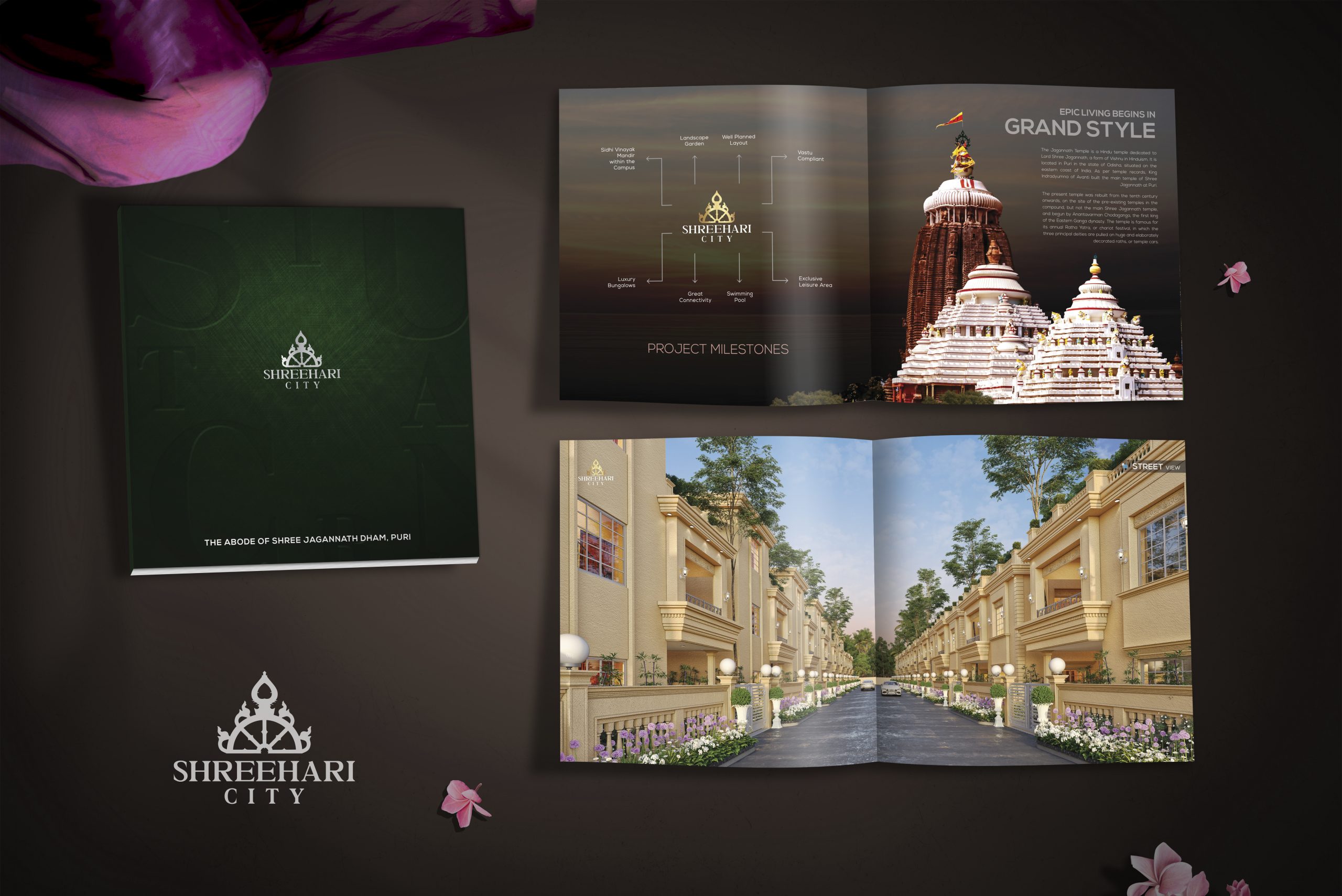
• High-production print collateral: luxury buyers still engage with beautifully produced physical materials in a way that distinguishes serious projects from digital-only campaigns
• Partnership with premium lifestyle brands: co-branding with a respected hospitality operator, furniture house, or automotive brand imports credibility and extends reach into the right audience
• Targeted digital strategy: LinkedIn and curated digital publications reach NRI and investment buyers more effectively than broad social media spend
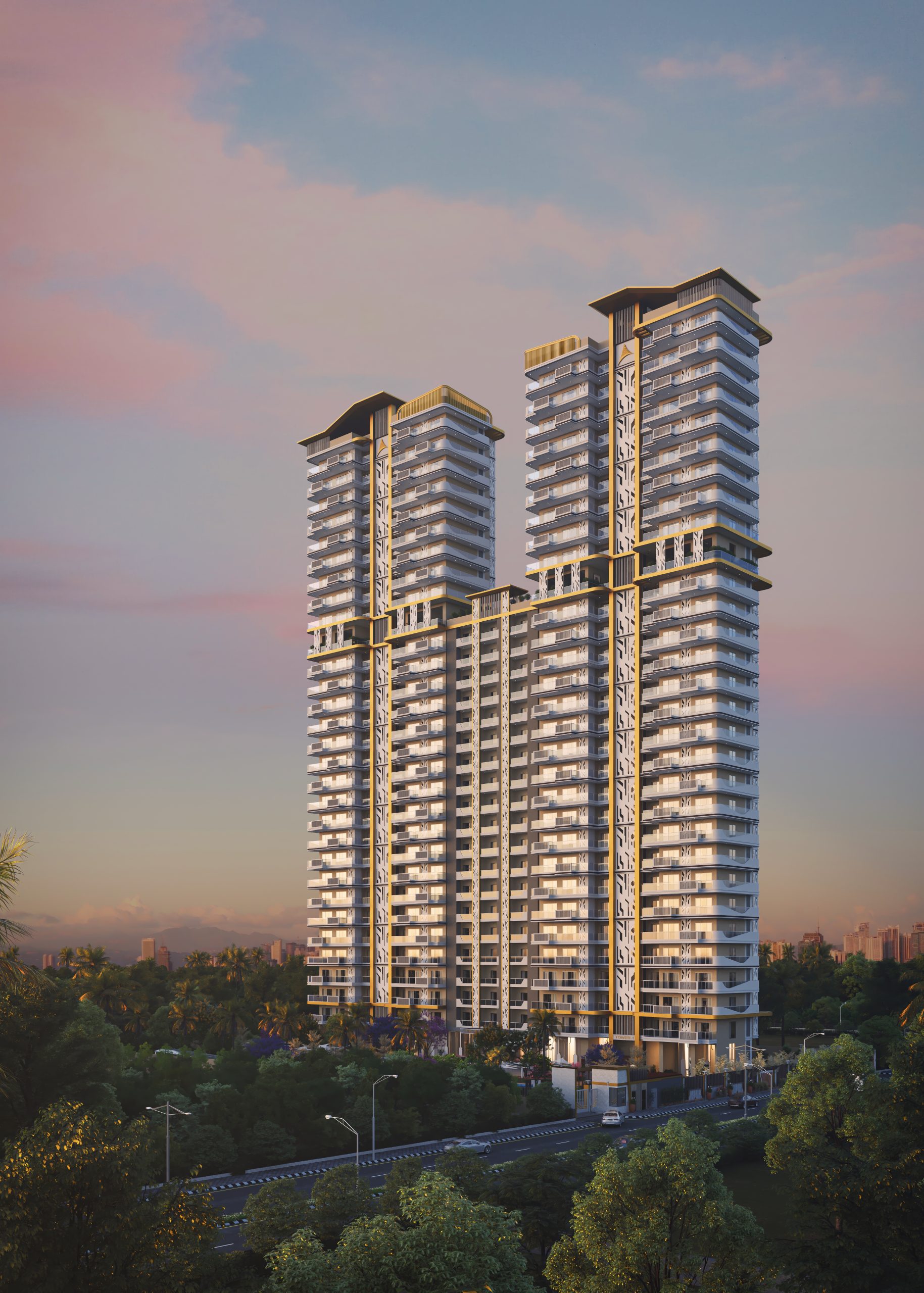
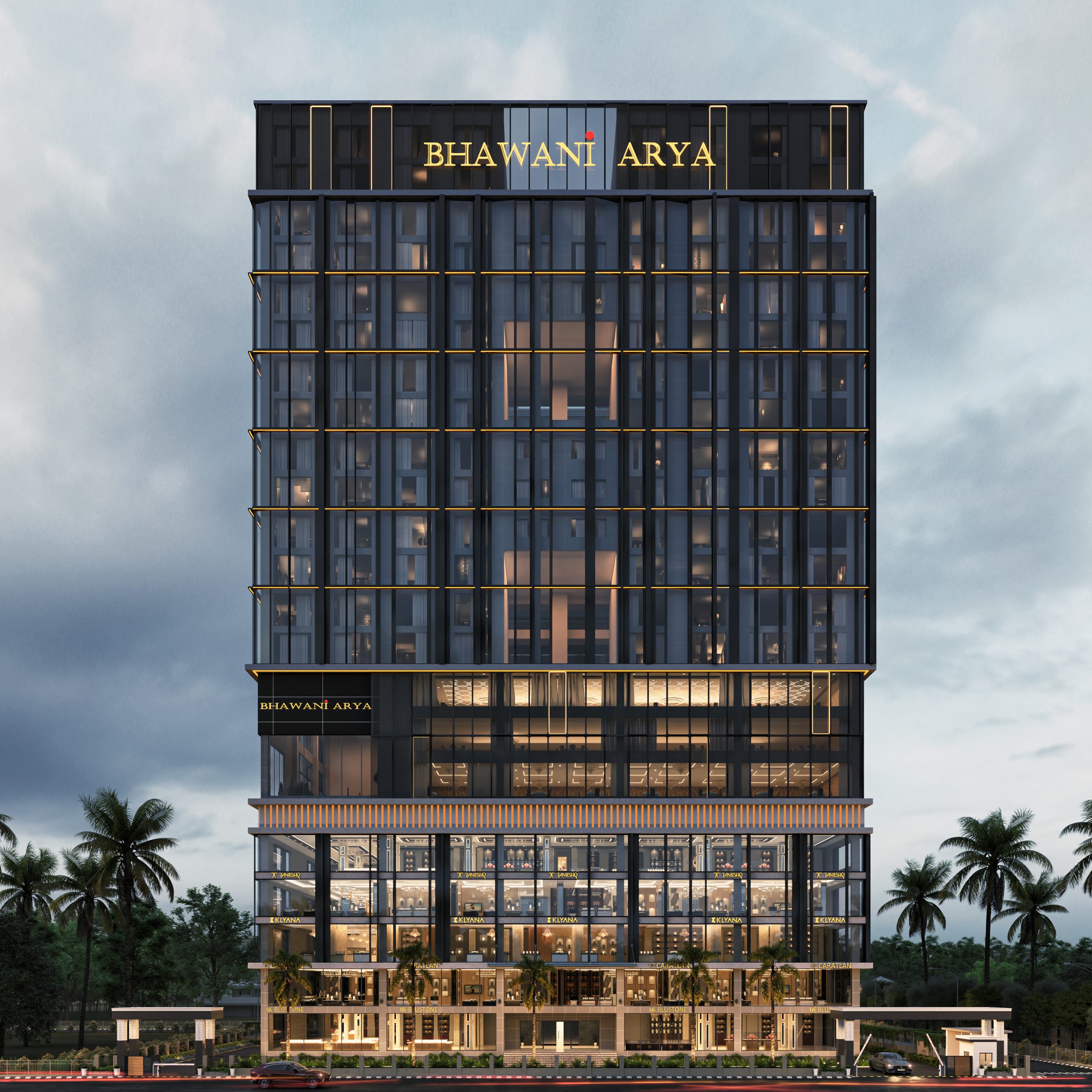
• Cinematic walkthrough video and 3D visualization: premium production quality in digital assets signals the level of the project before a buyer visits
• PR in architecture and lifestyle publications: editorial coverage in the right publications carries more weight with this audience than paid advertising
Sales Strategy for High-End Buyers
Selling to high-net-worth buyers is a different discipline from volume sales. Pressure tactics, artificial urgency, and scripted presentations all work against you with a buyer who has been through multiple property transactions and can read a sales process clearly. The sales approach for a luxury project should be:
• Relationship-first, transaction-second: the sales conversation should feel consultative, focused on understanding the buyer’s specific needs before presenting the product
• Knowledge depth over pitch breadth: sales teams need to be able to answer detailed questions about construction specifications, legal structure, maintenance governance, and investment fundamentals
• Dedicated channel partner management: premium brokers and channel partners require white-glove support and priority access, not generic broker packs
• Personalised follow-up over mass communication: a handwritten note or a personalised call after a viewing carries more weight than a CRM-triggered email sequence
• Access to the developer’s leadership: at this price point, buyers want to feel they have access to the people making decisions, not just the sales team
Common Mistakes to Avoid
Even experienced developers get some of these wrong. The ones that cost the most:
• Positioning too broadly: trying to appeal to every luxury buyer profile results in messaging that resonates with none of them
• Leading with price before establishing value: announcing a price point before the product narrative is established invites comparison shopping rather than desirability
• Inconsistent experience quality: the sales suite, the collateral, the digital presence, and the site presentation all need to match the price point. One weak element undermines all the others
• Ignoring the post-sale experience: luxury buyers talk to each other, and what happens after the sale directly affects referrals and reputation on future projects
• Copying category norms without differentiation: if your project looks and sounds like every other luxury project in the market, it gives buyers no reason to prefer it
• Under-investing in the launch moment: a luxury project gets one serious launch window and a weak one is very hard to recover from
Conclusion
Luxury residential project positioning is a discipline that rewards specificity and patience. The developers who do it well take the time to define the audience precisely, build a product and experience that speaks directly to that audience, and then communicate that story through channels and formats that their buyer actually respects. The ones who do it poorly default to generic luxury language and hope the product sells itself.
It does not. The product, the positioning, the marketing, and the sales approach all have to work together for a premium project to reach its potential in the market. Get those elements aligned correctly from the start and the project sells at the right price to the right people in a timeline that justifies the investment.


