








Physical Scale Models vs Digital Presentation: Which Performs Better?
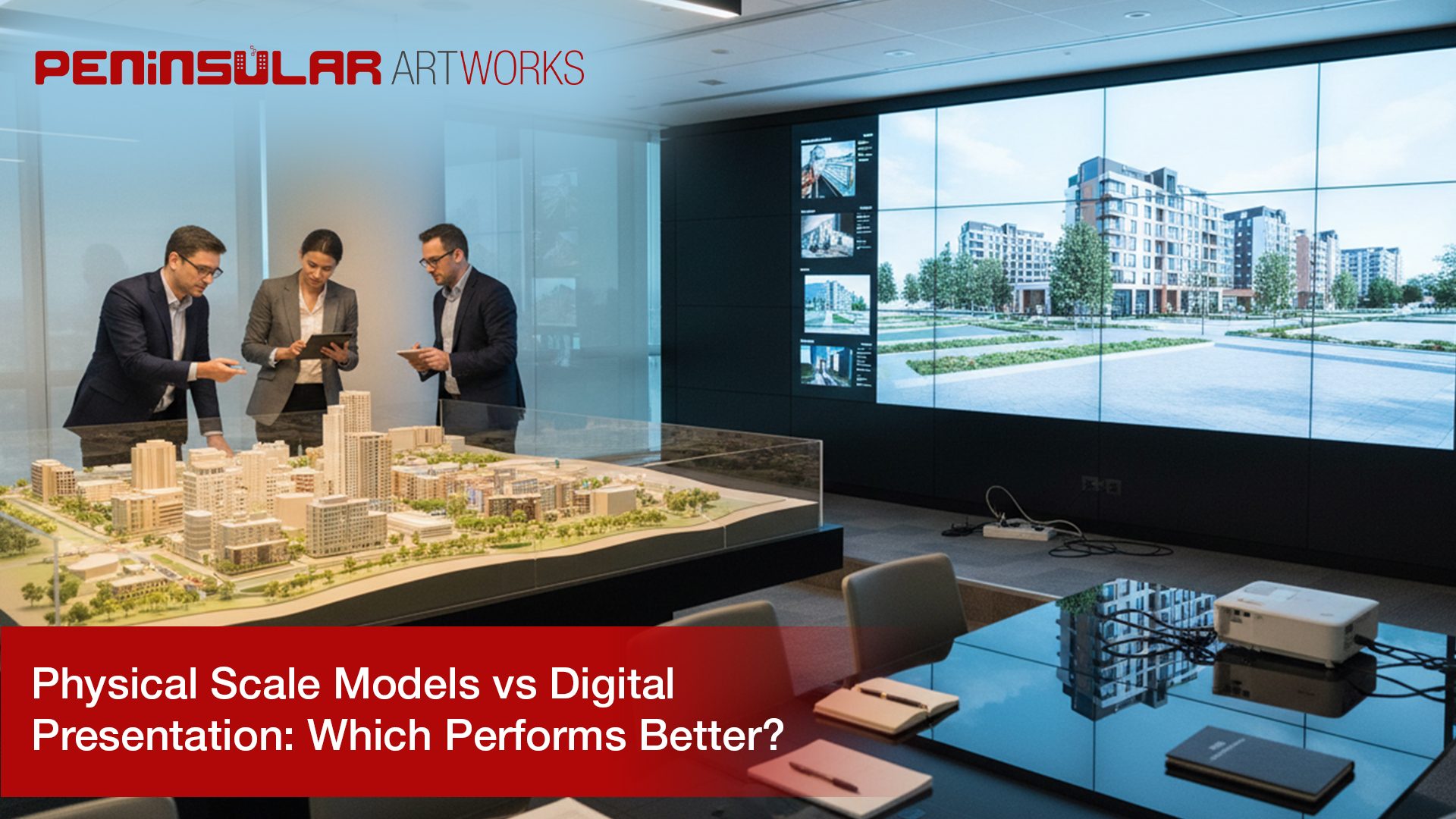
The physical scale models vs digital presentation debate has been running in architecture, real estate, and design circles for a while now. And it’s still not settled, which tells you something. Both approaches have genuine strengths. Both have real limitations. The projects that tend to get the best results are the ones where the team actually thinks about which method fits the audience, the budget, and the communication goal, rather than defaulting to whatever they used last time.
Understanding Physical Scale Models and Digital Presentations
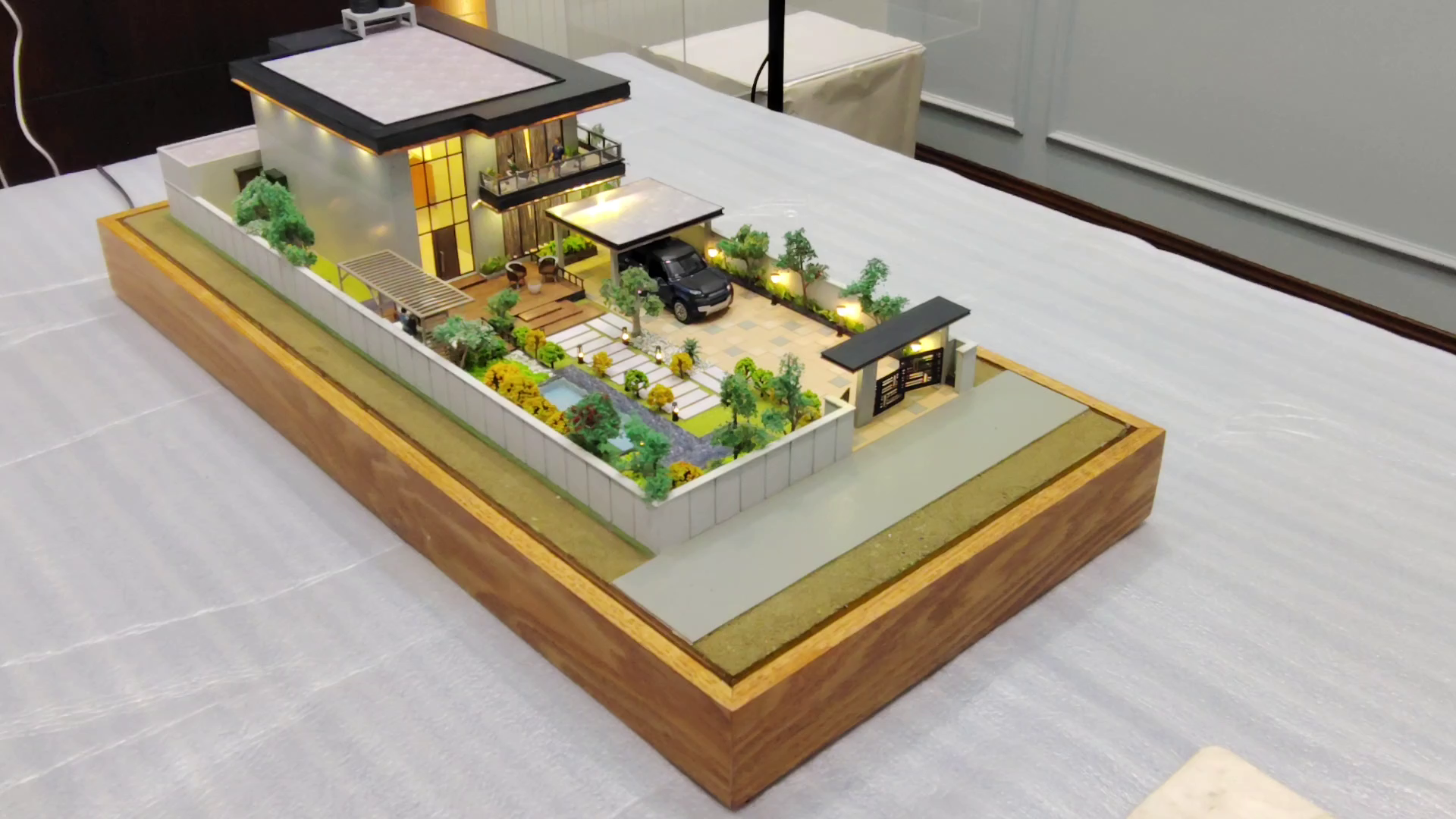
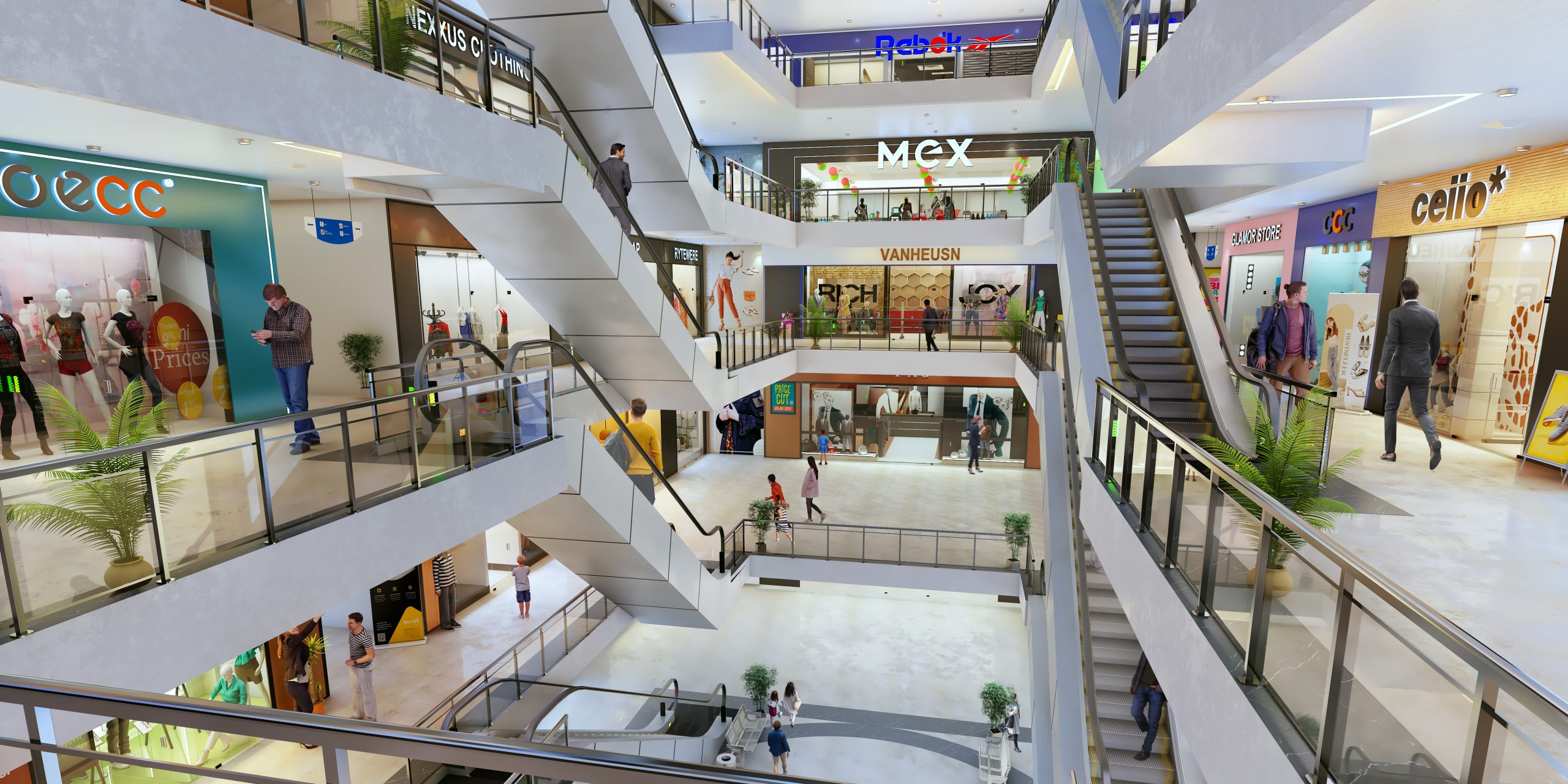
Physical scale models are hand-built or machine-fabricated three-dimensional representations of a project at a reduced scale. They’ve been used in architecture and urban planning for centuries. You can walk around them, look at them from different angles, point to specific parts during a meeting. There’s nothing particularly high-tech about the concept, but the craft involved in producing a good one is considerable. Digital presentations cover a wide spectrum: rendered images, 3D animations, virtual reality experiences, augmented reality overlays, interactive walkthroughs. They exist on screens and devices and can be shared anywhere. They’re faster to revise and often cheaper to produce for complex projects.
Key Differences Between Physical Scale Models and Digital Visualization
The most obvious difference is presence. A physical model occupies space. Stakeholders gather around it. They gesture, they lean in, they talk through what they’re looking at together. That shared physical experience is hard to replicate on a screen. Digital presentations, by contrast, can reach anyone anywhere. A client in another country can review a walkthrough on their laptop. A planning committee can view a fly-through in a meeting room without the model being transported across the city. The tradeoff, basically, is presence versus reach. And both of those things matter depending on the situation.
| Dimension | Physical Scale Model | Digital Presentation |
| Presence | Occupies real space; stakeholders gather around and interact directly | Exists on screen; shared presence depends on everyone being in the same room |
| Reach | Tied to a physical location; must be transported to each audience | Shareable anywhere instantly; a remote client reviews it on their laptop |
| Audience Engagement | Triggers active participation; people lean in, point, crouch down to look | Engagement depends on screen quality and viewer motivation; easier to be passive |
| Spatial Clarity | Massing, proportion, and scale read immediately without training | Renders can mislead scale; VR closes the gap but requires equipment |
| Flexibility | Largely fixed once built; revisions are costly and slow | Design changes update in hours; content can be repurposed across formats |
| Remote Access | Not possible without transporting or photographing the model | Planning committees and distributed teams access the same file from anywhere |
| Cost Over Time | High upfront; each revision adds cost | One 3D model generates renders, animations, and VR; cost amortises across outputs |
| Exhibition Impact | Draws crowds at expos; becomes a natural focal point for conversation | Screen displays compete with phones and ambient noise in exhibition environments |
| Summary | Wins in the room: presence, engagement, spatial read | Wins everywhere else: reach, flexibility, remote access |
Why Physical Scale Models Deliver Stronger Presentation Impact
Tangible Experience and Real-World Interaction
Holding a conversation in front of a physical model changes how people engage. It’s harder to be passive. People instinctively reach out, point, crouch down to look at ground level. That physical interaction drives deeper engagement with the design than scrolling through rendered images. For high-value projects where buy-in matters, that kind of engagement can make a real difference to how decisions get made.
Enhanced Spatial Understanding and Scale Perception
Spatial understanding is genuinely easier with a physical object. Even experienced architects and planners find that a well-made model communicates massing and proportion in ways that even high-quality renders don’t fully capture. The human brain reads physical three-dimensional objects differently from digital images, and that difference shows up in how quickly people grasp spatial relationships in a model versus on a screen. It’s not subtle.
Stronger Client Engagement and Decision-Making
People without training in reading blueprints or renderings often feel more sure of themselves when looking at physical models. These models make spatial logic instantly obvious. It lets them spot what they like and what they want to tweak, all without extra explanation needed. That leads to clearer feedback, faster decisions, and fewer revision rounds. On projects where client sign-off is a bottleneck, this is a concrete practical advantage.
Greater Effectiveness in Exhibitions and Public Displays
At expos, public consultations, and showroom displays, a physical model draws attention in a way a screen simply doesn’t. People cluster around it. It becomes a key topic for chats too. When property developers unveil a new project or urban planners show off their masterplans to the public, having a nice model on hand demonstrates they’re serious and have put in the work. These models also photograph well, making them ideal for marketing stuff.
Where Digital Presentations Have a Competitive Advantage
Faster Design Updates and Project Revisions
Digital files can be updated in hours. A physical model may take days or weeks to modify depending on how significant the change is. For projects moving through rapid design iterations, or where client feedback triggers frequent revisions, digital tools are clearly more efficient. The flexibility is hard to argue with at that stage of a project.
Immersive Experiences Through VR, AR, and 3D Visualization
Virtual reality allows clients to experience a space at full scale before it’s built. Augmented reality overlays can show how a building will look in its actual site context. These tools go well beyond what any physical model can do in terms of experiential depth. For residential buyers trying to picture living in a space, or retail tenants assessing how a fitout might feel, immersive digital tools deliver something genuinely powerful.
Seamless Remote Collaboration and Accessibility
Digital assets can be shared instantly across time zones. A rendered walkthrough doesn’t need to be couriered. An interactive model doesn’t require the client to visit a showroom. For international projects, distributed project teams, or remote client relationships, this accessibility is a real advantage that physical models simply can’t match.
Cost Efficiency for Dynamic Project Workflows
For projects with tight budgets and frequent design changes, digital production is often more cost-efficient. The upfront investment in a 3D model that can generate multiple outputs, renders, animations, VR experiences, tends to be lower than producing multiple physical model iterations. The economics shift at a certain project scale and complexity, but for most commercial projects, digital delivers more flexibility per dollar spent.
Physical Scale Models vs Digital Presentation: Feature-by-Feature Comparison
Presentation Quality and Visual Communication
Physical models excel at communicating massing, proportion, and spatial relationships in person. Digital presentations have the edge on surface detail, material representation, lighting simulation, and atmospheric quality. For a boardroom presentation, either can perform well. For an online marketing campaign, digital wins outright.
Flexibility and Adaptability
Digital assets can be revised and repurposed indefinitely. Physical models are largely fixed once built. Post-construction modifications to a physical model are expensive and time-consuming. This gives digital a clear edge on projects where scope is likely to evolve.
Audience Engagement and User Experience
In-person audiences typically engage more actively with physical models. Remote or distributed audiences are better served by digital. The engagement advantage of physical models depends entirely on the audience being present in the same room.
Production Time and Cost Considerations
High-quality physical models, especially detailed architectural scale models, take time and skilled labour to produce. Digital assets are quicker to produce, but require an initial investment in modelling and rendering. Digital is usually the most cost-effective option for larger masterplans, whereas the impact generated for prestige single projects can justify the expense of physical models.
Which Presentation Method Performs Better Across Industries?
Architecture and Real Estate Development
Both methods are used widely. Physical models dominate prestige residential and landmark commercial projects where in-person client presentations are central to the sales process. Digital tools manage the broader aspects of marketing and help reach faraway audiences. Today the greatest approaches are hybrid physical models and digital material that allows sharing.
Urban Planning and Infrastructure Projects
Physical models remain popular for large public projects even though the public is not tech-savvy because they are easy for everyone to understand. They do well at community events as well. At the same time, digital tools support technical analysis and enable more effective collaboration across different agencies. Hybrid approaches are standard on significant public projects.
Industrial Design and Engineering Applications
Engineering and industrial design contexts often prioritise precision over presentation. Digital tools, CAD models, simulation software, and interactive visualisations, are the default here. Physical prototypes are produced for testing and validation rather than presentation. The presentation question is largely settled in favour of digital in this sector.
Education, Museums, and Public Exhibitions
Museums and educational settings still value physical models highly. A scale model of a historic city or a geological formation that can be touched is a hands-on spatial experience for visitors that cannot be fully mimicked on a touchscreen. Interactive digital displays complement physical exhibits in most modern institutions rather than replacing them.
Can Physical Scale Models and Digital Presentation Work Together?
The Rise of Hybrid Visualization Strategies
Hybrid approaches are becoming the standard on serious projects. A physical model anchors the in-person presentation. Digital assets take marketing to more audiences and remote stakeholders The two approaches are not competitors, they are mutually reinforcing physical models lend credibility and tactile involvement.
Combining Physical Models with AR, VR, and Interactive Technologies
Some studios now produce physical models that integrate with digital overlays, using AR to add animation, lighting changes, or interior visualisation to a static physical form. QR codes on model plinths link to digital walkthroughs. These combinations let clients experience the best of both formats in a single presentation. The technology isn’t complicated, but it requires both physical model and digital asset production to be planned together from the start.
Choosing the Right Presentation Method for Your Project
A few questions narrow this down quickly. Who is the audience and are they in the room or remote? How often will the design change? What’s the budget for presentation versus production? What’s the primary goal, selling to a client, engaging the public, or supporting technical review? For prestige property developments and major public-facing projects, the case for investing in architectural scale models alongside digital assets is strong. For fast-moving commercial projects with distributed teams, digital tools carry most of the weight. Most serious projects, honestly, benefit from some version of both.
Final Verdict: Physical Scale Models vs Digital Presentation
The physical scale models vs digital presentation question doesn’t have a single answer, and that’s actually a useful conclusion. Physical models perform better where presence, tactile engagement, and in-person impact matter. Digital presentations perform better where speed, flexibility, reach, and remote collaboration are the priority. The projects that get the most out of their presentations are the ones that stop treating these as an either/or choice and start thinking about how both can serve different parts of the same communication goal.


