








The Ultimate Guide to House Models: Types, Benefits & Expert Building Tips
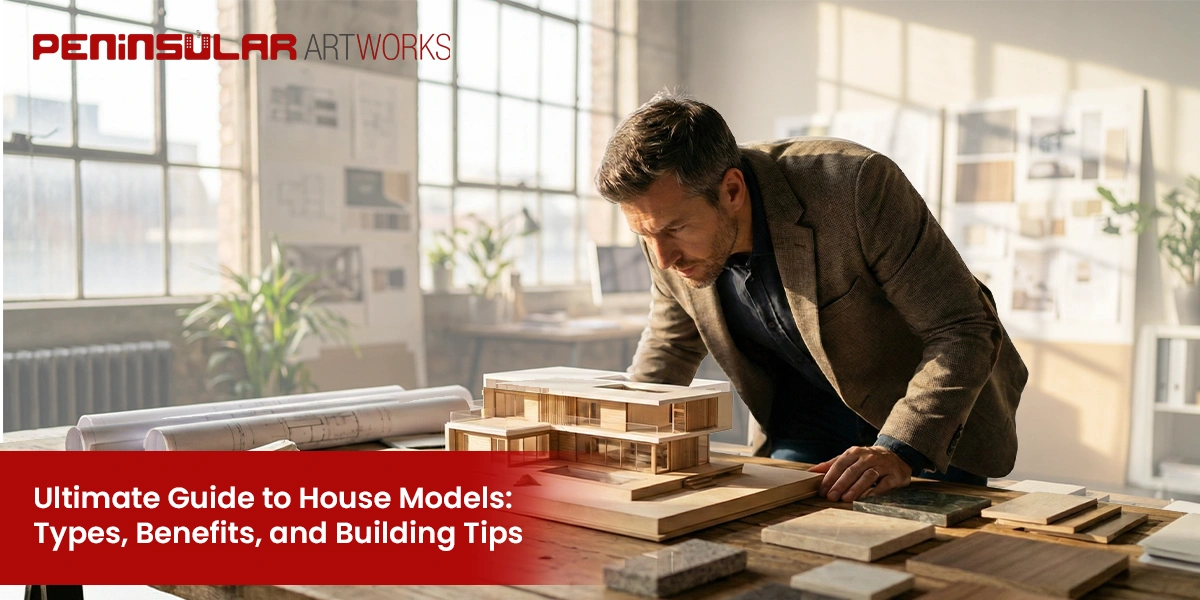
House models might look small, but they carry a lot of weight in a project. A drawing can explain dimensions. A rendering can show colors and lighting. Still, when a scaled model is placed on a table, people react differently. They slow down. They look closely. They ask better questions. That shift in energy matters more than most teams expect.
Many architectural model makers will tell you that physical models still play a strong role in serious projects. Even now, with advanced software everywhere. A model makes a future building feel present. It turns an idea into something you can actually see and almost touch. That simple change improves discussions, approvals, and sometimes even sales.
What Are House Models in Architecture?
Definition of Architectural House Models
Architectural house models are miniature versions of proposed homes or residential buildings. They are built at a reduced scale so the full structure can be studied easily. The purpose is straightforward. Show how the building will look before construction begins.
Some are simple and only involve shape and structure. Others involve landscaping, lighting, textures, and even interior design. The amount of detail, of course, depends on the phase of the project.
Importance of 3D House Models in Modern Construction
Modern construction involves many moving parts. Designers, engineers, contractors, investors, and buyers all need to understand the same vision. That is not always easy through technical drawings.
A 3D model creates clarity. It shows proportions properly. It highlights relationships between spaces. It often reveals small issues that drawings do not immediately show. Fixing those issues early can save significant time and cost later.
There is also a human factor. People trust what they can see clearly. A model builds that trust faster than long explanations.
Difference Between 2D Floor Plans and 3D Scale Models
Floor plans are essential in architecture. They show measurements, layouts, and room arrangements. Professionals read them comfortably. Clients sometimes struggle to visualize height and depth.
A 3D scale model solves that gap. It shows volume, roof slope, balcony placement, and overall massing in one glance. Instead of imagining how walls rise from a flat drawing, viewers can see the form directly.
Both tools are necessary. They simply serve different roles in communication.
Why Physical House Models Still Matter in the Digital Era
Digital models are very impressive on the computer screen. Virtual walk-throughs can even involve movement. However, physical models still command attention in a conference room.
People naturally gather around a table display. They point, discuss, compare angles. That interaction becomes more collaborative. Screens sometimes create distance. A model encourages participation.
Technology supports design work. Physical models support decision making. That balance continues to work well across projects.
Types of 3D House Models Used in Architectural Projects
Scale Model Houses
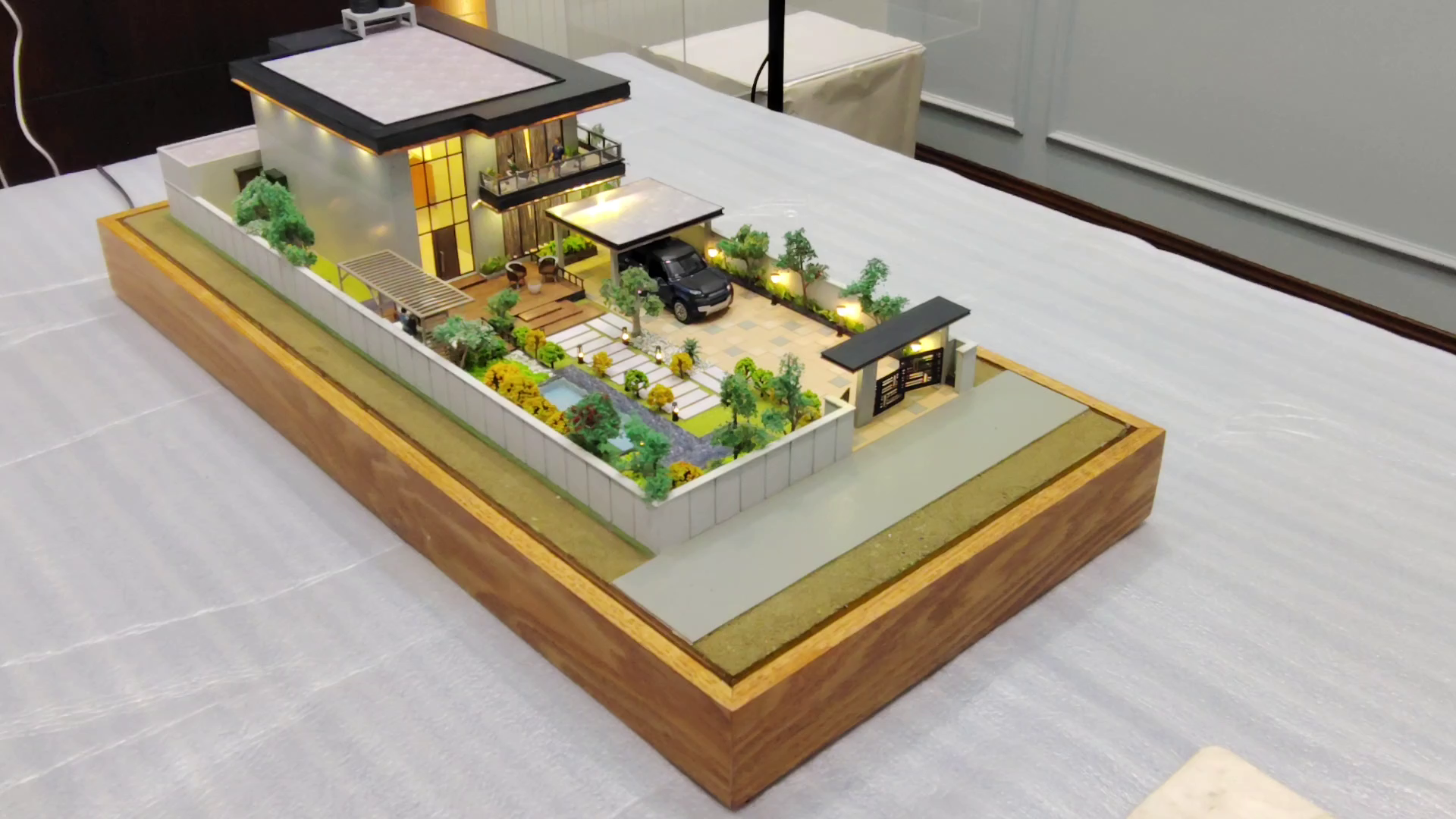
Scale model houses are commonly used in residential developments. They show the full structure and often include site context. Standard scales keep proportions accurate and consistent.
Developers use these models during investor presentations and project launches. Seeing how homes are arranged within a layout helps everyone understand spacing and planning.
3D Printed House Models for Precision Designs
3D printing has introduced a new level of precision. A skilled 3d scale model maker can create detailed components that would be difficult to craft manually. Curved facades and complex patterns become easier to produce.
This method is extremely useful for contemporary designs that demand accuracy. It eliminates minute mistakes and ensures consistency in similar details.
Wooden House Models for Premium Presentation
Wooden models exude a sense of sophistication and timelessness. They feel solid and professional. Many premium residential projects choose wood for that reason.
The natural texture adds warmth. Investors tend to react favorably to that subtle beauty..
Styrofoam & Foam Board Home Models
Foam models work well in the early stages of design. They are light and easier to work with. Architects exploring shape and structure would find this material ideal.
They may not be very sophisticated-looking, but they can be easily altered. Ease of change is more important than aesthetics in conceptual design.
Benefits of House Scale Models for Builders & Developers
Enhanced Project Visualization
A physical model reveals proportions clearly. It becomes easier to evaluate height, spacing, and facade balance. Small inconsistencies stand out.
Stressing these concerns before actual construction can help avoid costly changes down the line.
Better Communication with Clients & Investors
Investors want clarity. A well-made model will answer many questions without requiring lengthy discussion.
Clients also feel more secure when they see a physical representation of their future dwelling. That confidence speeds up decisions.
Cost-Effective Design Modifications
Adjusting a design during the planning stage is manageable. Making structural changes during construction is far more expensive.
Models are an effective means of analyzing and developing concepts at an early stage.
Faster Approvals & Reduced Errors
The approval authority may demand a clear visual representation of the project. A model facilitates easy explanation and prevents misconstruction.
When the same visual point of reference is shared by all, mistakes automatically diminish.
Powerful Marketing & Real Estate Sales Tool
In real estate marketing, the visual element plays a significant role in influencing buyers. A detailed model displayed at a sales office attracts attention immediately.
Projects offering different types of houses model options benefit especially from this approach. Buyers compare layouts more easily when they see them physically rather than on paper.
Who Needs House Models?
Architects & Design Firms
Architects use models to refine and present their ideas. Building model houses often helps test scale and proportion during design development.
Real Estate Developers
Developers rely on models for marketing, investor meetings, and project approvals. It strengthens professional presentation.
Construction Companies
Construction teams use models as visual references. It supports coordination and reduces interpretation errors.
Interior Designers
Interior designers sometimes use sectional models to demonstrate layout concepts. It helps clients understand space planning clearly.
Educational Institutions
Architecture schools include model making in training programs. Students gain an understanding of scale and concepts by practical experience.
House Model Making Cost – Key Factors That Affect Pricing
Model Size & Scale
Large models require more material and longer production time. A township plan automatically costs more than a residential model.
Level of Detailing
Fine detailing increases labor effort. Landscaping elements, miniature fittings, and precise textures add to cost.
Materials Used
Wood, acrylic, foam, and 3D printed components each have different price points. Material selection directly affects overall pricing.
Lighting & Special Features
LED lighting or detachable parts add complexity. These elements are useful for enhanced presentation but also demand technical expertise.
Project Timeline
Short deadlines may demand extended working hours. That can influence cost slightly depending on workload and complexity.
Why Choose Peninsular Artworks for House Model Making?
Expert Architectural Model Makers
We possess experienced architectural model builders who are deeply conversant with structural proportions and detailing. That understanding reflects in our balanced and accurate models.
Customized House Model Solutions
We understand that every project has its own character. Our services are tailored to ensure that the model corresponds to your conceptual design and not a template design.
High-Precision Craftsmanship
Accuracy remains at the core of our architectural models. We incorporate sharp edges and precise scaling to establish credibility in presentations.
Premium Quality Materials
We use quality materials to improve durability and overall appearance. We understand that a well crafted model should maintain its finish over time.
On-Time Delivery & Professional Support
Our timelines are often tight. We offer reliable delivery for smoother coordination and planning.
House models continue to hold strong relevance in architecture. They improve clarity, support collaboration, and enhance presentation value. Skilled architectural model makers combine technical knowledge with craftsmanship to bring ideas into physical form. Even in a digital era, that physical presence still shapes better decisions.


