







Types of Scale Models: Which One Fits Your Needs?

Scale models have been around far longer than most people realise. Ancient builders used them. Engineers still rely on them. And the range of scale model types in use today, from architectural presentation pieces to film props to industrial prototypes, is genuinely broader than most people who haven’t worked in the field would expect. The question isn’t really what a scale model is. It’s which type is right for what you’re trying to do.
What Are Scale Models? A Quick Overview
A scale model is a physical representation of an object, space, or structure built to a proportionally smaller, or occasionally larger, size than the real thing. The key word is proportional. Everything on the model relates to the original at a defined ratio. A 1:50 architectural model means one centimetre on the model equals 50 centimetres in real life. This mathematical equation is precisely what gives a scale model its usefulness and makes it more than just an aesthetically pleasing item. It conveys a lot of spatial data that cannot be fully replicated by drawings and computer renderings.
Different Types of Scale Models Explained
1. Architectural Scale Models
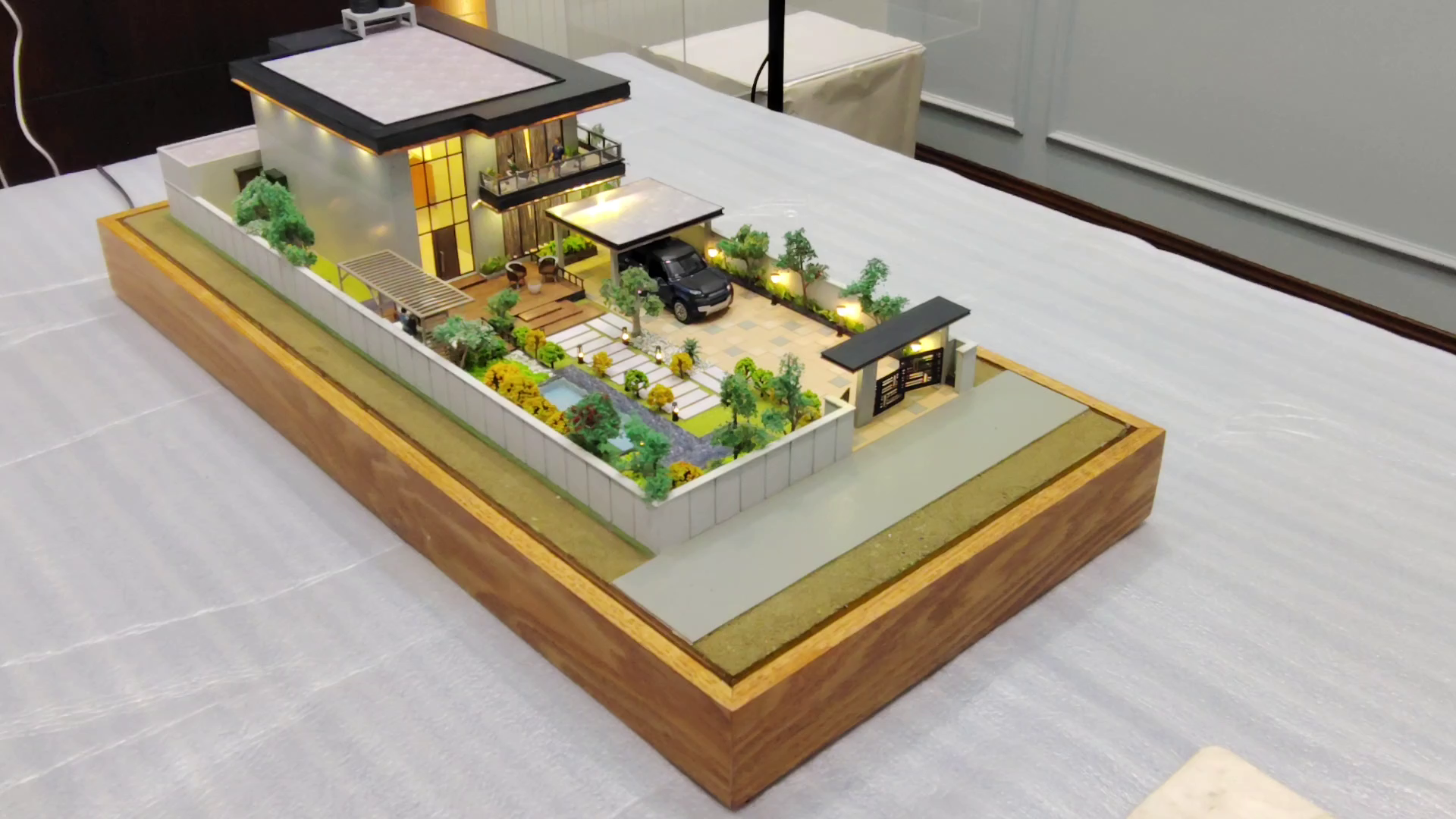
These are probably the most recognised categories. Architectural scale models show buildings, interiors, or site developments in physical three-dimensional form. They’re used across the full arc of a project, from the first rough concept through to polished sales gallery presentation pieces. What they do well, and what digital visualisation still struggles to match, is give people a physical sense of space, proportion, and context.
Concept, Presentation, and Working Models
Concept models are rough and fast, built to explore ideas rather than impress clients. Presentation models are the polished end of the spectrum, with accurate landscaping, lighting, and fine detail. Working models sit somewhere in between, used during the design process to solve spatial problems before they become expensive construction decisions. The type of architectural scale models a project needs depends entirely on where it is in its lifecycle.
2. Industrial Scale Models
Industrial models represent factories, plant layouts, and production lines. They’re functional communication tools for engineers and project teams, not decorative pieces. Planning maintenance, expansions, or training programmes is a lot harder without a physical reference to work from.
Applications in Manufacturing and Production
Petrochemical refineries and large manufacturing facilities use these extensively. Models go into operations centres where workers familiarise themselves with layout before going on site, reducing errors and improving safety during complex maintenance operations.
3. Engineering Scale Models
Engineering scale models test physical properties at reduced scale before full-size construction commits. Aerodynamics, fluid dynamics, structural behaviour. Wind tunnel models for buildings and bridges, reduced-scale marine hull tests, structural test specimens for new building systems.
Uses in Design, Testing, and Prototyping
Engineering models test principles at scale. Prototypes demonstrate a near-final product. The distinction blurs occasionally but generally they serve different purposes in a development programme and are often produced in sequence.
4. Product Scale Models
Product scale models are physical representations of consumer or commercial products, produced before the actual manufacturing run. They’re used in marketing, packaging development, investor presentations, and internal product review. A physical model in your hands communicates form, proportion, and material feel in a way that a CAD render on a screen simply doesn’t.
Applications in Marketing and Product Development
Tech products, luxury goods, and consumer electronics all use scale models in their development cycles. For types of scale models in marketing contexts, the finish quality matters enormously. A well-made product model photographs beautifully, works in trade show presentations, and gives a sales team something to hand to buyers that creates genuine interest.
5. Film and Entertainment Scale Models
Before CGI dominated film production, scale models were the primary tool for depicting large structures, explosions, space environments, and landscapes on screen. Miniature effects were genuinely skilled craft work. CGI hasn’t killed model-making in film entirely. It’s just changed where it fits. Practical models still appear in big productions where directors want a physical quality to the footage that digital compositing doesn’t achieve naturally.
Examples from Movies and Visual Effects
The Death Star. The Nostromo from Alien. Peter Jackson’s early landscapes. All physical models shot with controlled lighting. Scale model makers in film have a different brief to architectural studios, but the underlying craft is closely related.
6. Topographical Scale Models
Topographical models represent land and terrain rather than built structures. They’re used by urban planners, geographers, military planners, and developers to understand site conditions, drainage patterns, and how proposed developments interact with existing landscape. A flat plan tells you where things are. A topographical model tells you what it actually looks and feels like.
Applications in Urban Planning and Geography
A topographical model showing natural contours and how proposed buildings sit within them is far more persuasive in a planning presentation than a site plan alone. It helps design teams understand sun angles, wind exposure, and visual impact in a way flat drawings don’t reveal.
7. Miniature Models for Collectors and Hobbyists
Not all scale models are professional tools. Die-cast vehicles, model trains, military figures, diorama scenery. The hobbyist market runs from inexpensive mass-produced pieces to limited-edition collectibles worth thousands. The line between professional craft and passionate hobby is genuinely blurry here.
Common Types and Popular Categories
Model trains, military figures, aircraft kits, diorama building. All have dedicated international communities. Architecture replicas attract both collectors and design professionals. Basically, if it exists at full size, someone’s already built a miniature version.
How to Choose the Right Scale Model for Your Project
- State your objective first: It can be an instrument for communication, design assistance, marketing, or collecting. You will need a different approach for each.
- Think about your target market: A model for a client presentation should be polished; one for experimentation should be quick.
- Scale the model appropriately: For large spaces, use small scales, and for highly detailed products, large scales.
- Establish a reasonable budget: Materials, complexity, and timing all contribute to costs.
- Think about longevity: Will this model be used once or displayed for years? That affects the material and finish choices.
- Ask about interactivity: Do you need lighting, moving parts, or modular sections? Establish this early, not after production starts.
Scale Model Making Services Worth Knowing About
- Peninsular Artworks:architectural scale models and presentation models with a full-service approach covering concept to delivery for property developers, architects, and urban planners
- Scale model specialist studios: Boutique firms focused on a single category, film, engineering, or collectors, where deep expertise in one type often produces better results than generalists
- In-house design teams: Larger architecture and engineering firms sometimes maintain internal model shops, but outsourcing to specialists usually produces higher quality at comparable cost
- Digital-physical hybrid services: Studios combining 3D printing and CNC fabrication with traditional hand-finishing, giving speed without sacrificing detail quality
Conclusion: Finding the Right Scale Model for Your Needs
The range of scale model types is wide enough that the category question matters before anything else. An architectural presentation model and an engineering test model have almost nothing in common beyond the principle of proportional representation. Getting clarity on what the model needs to do, who it’s for, and where it will be used is the starting point for any good brief. The best scale model makers work through that with their clients before a single piece of material is cut. That’s how you end up with something that actually earns its place in a pitch, a planning submission, or a display case.


