




What is 3D Architectural Rendering?

The definition of the 3D rendering implies the creation of photorealistic or stylized images based on a 3D digital model with the help of specific software. In architecture, technical drawings, CAD plans and concepts are converted into actual visuals that perfectly portray the buildings and spaces prior to their construction.
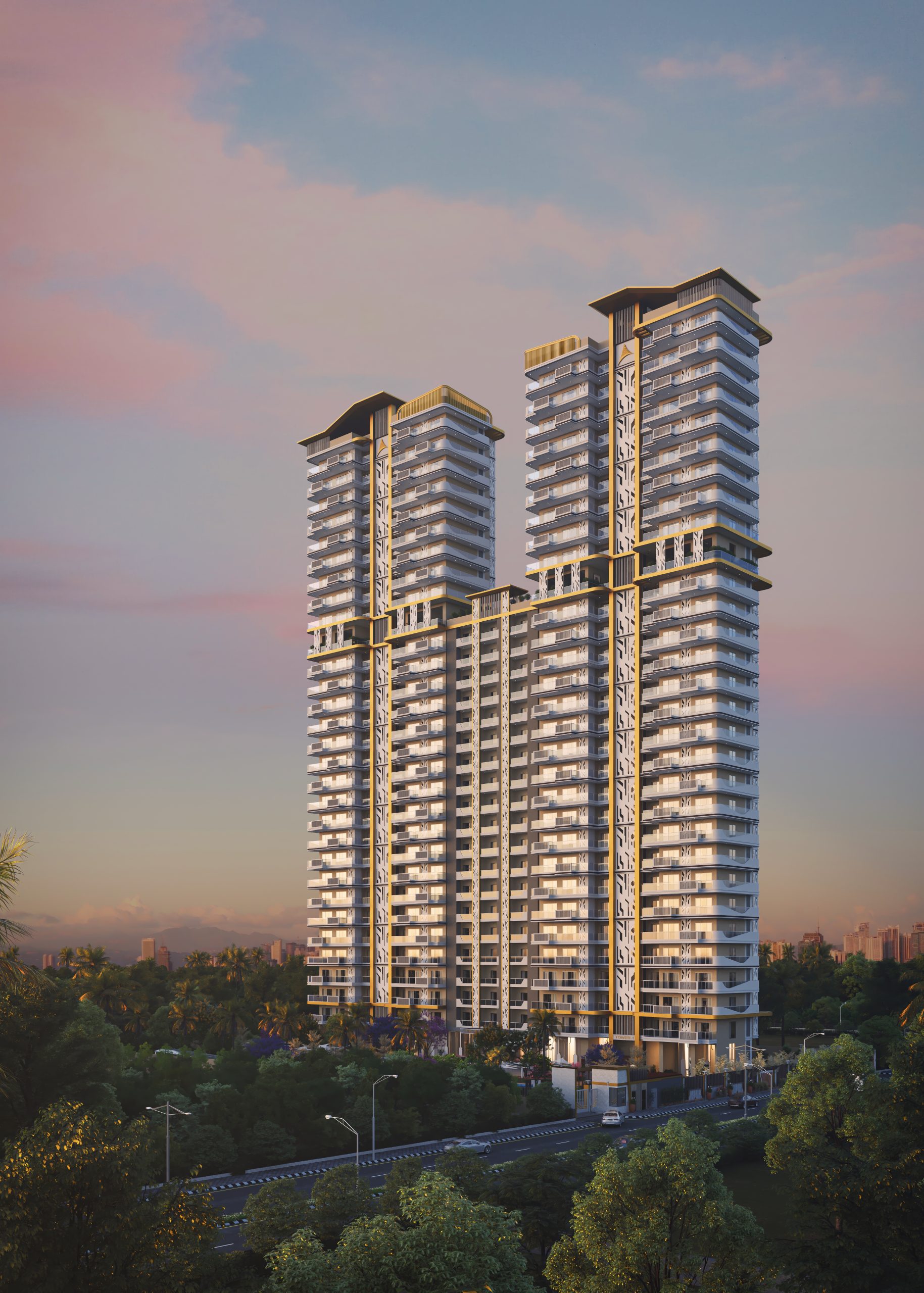
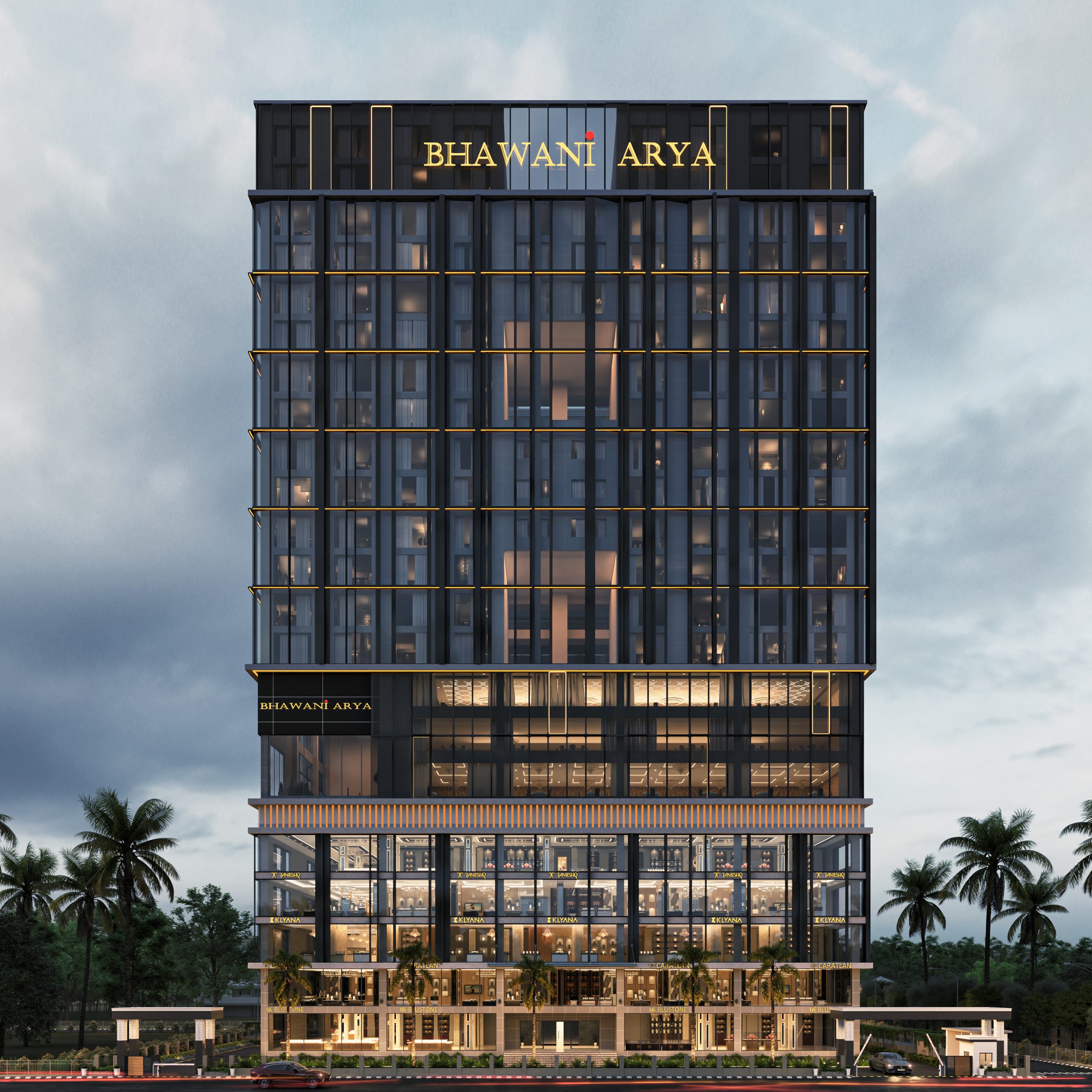
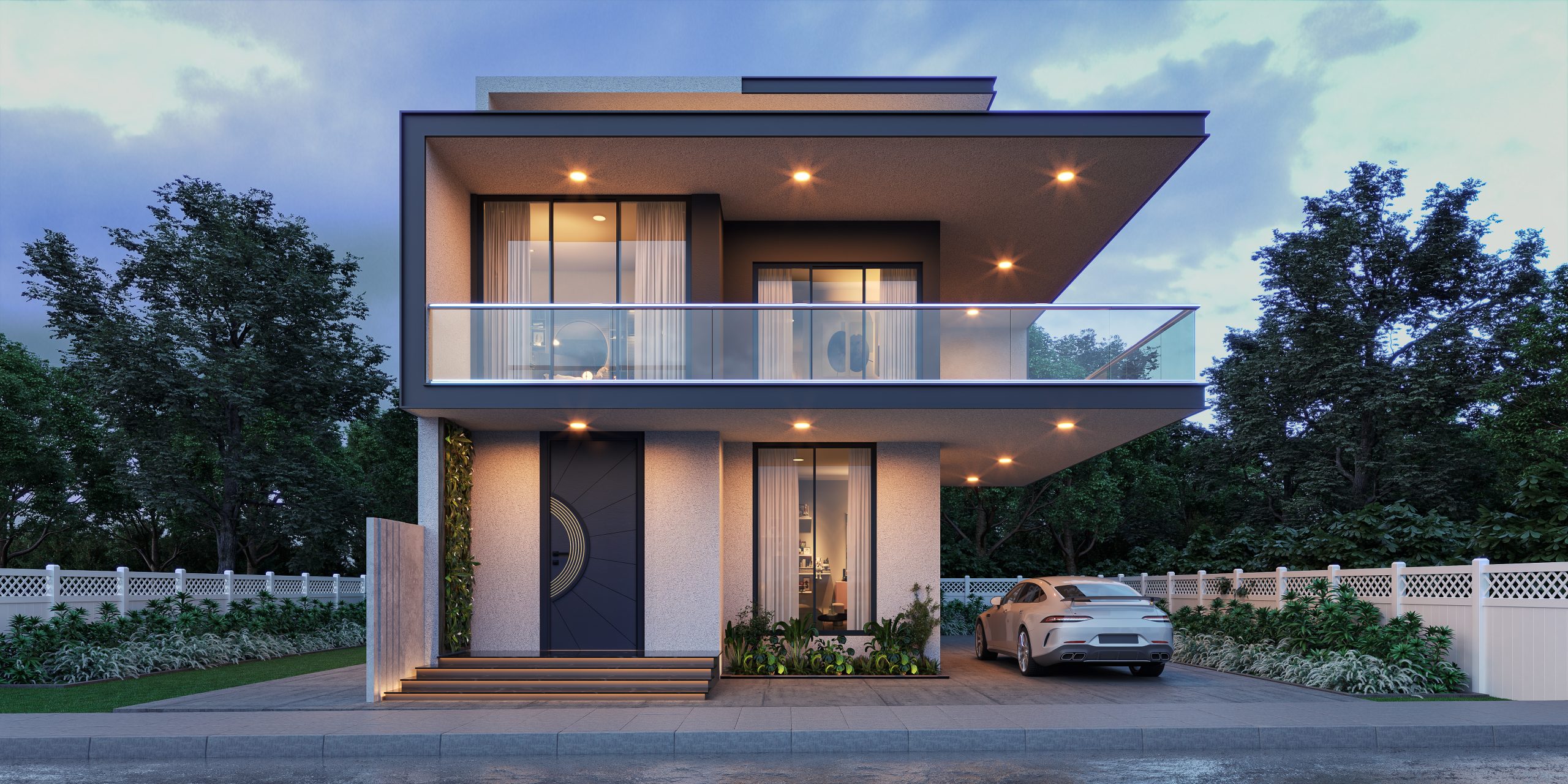
The particular use of architectural 3D rendering is to present a visualization of residential, commercial, and urban development projects in such a manner that illustrates material, lighting, textures, landscape, and environmental conditions. Stakeholders do not have to rely on 2D blueprints only to get a realistic preview of the completed structure.
In simple terms, architectural 3D rendering enables the clients to look into the future of a project prior to the laying of a single brick.
What Is 3D Rendering in Architecture?
The architectural 3D rendering is a computer generated image or animation or a walk through of a building or part of a building that is to be illustrated as it will appear after construction. It is a combination of 3D modeling, lighting simulation, material application and camera positioning to produce immersive images.
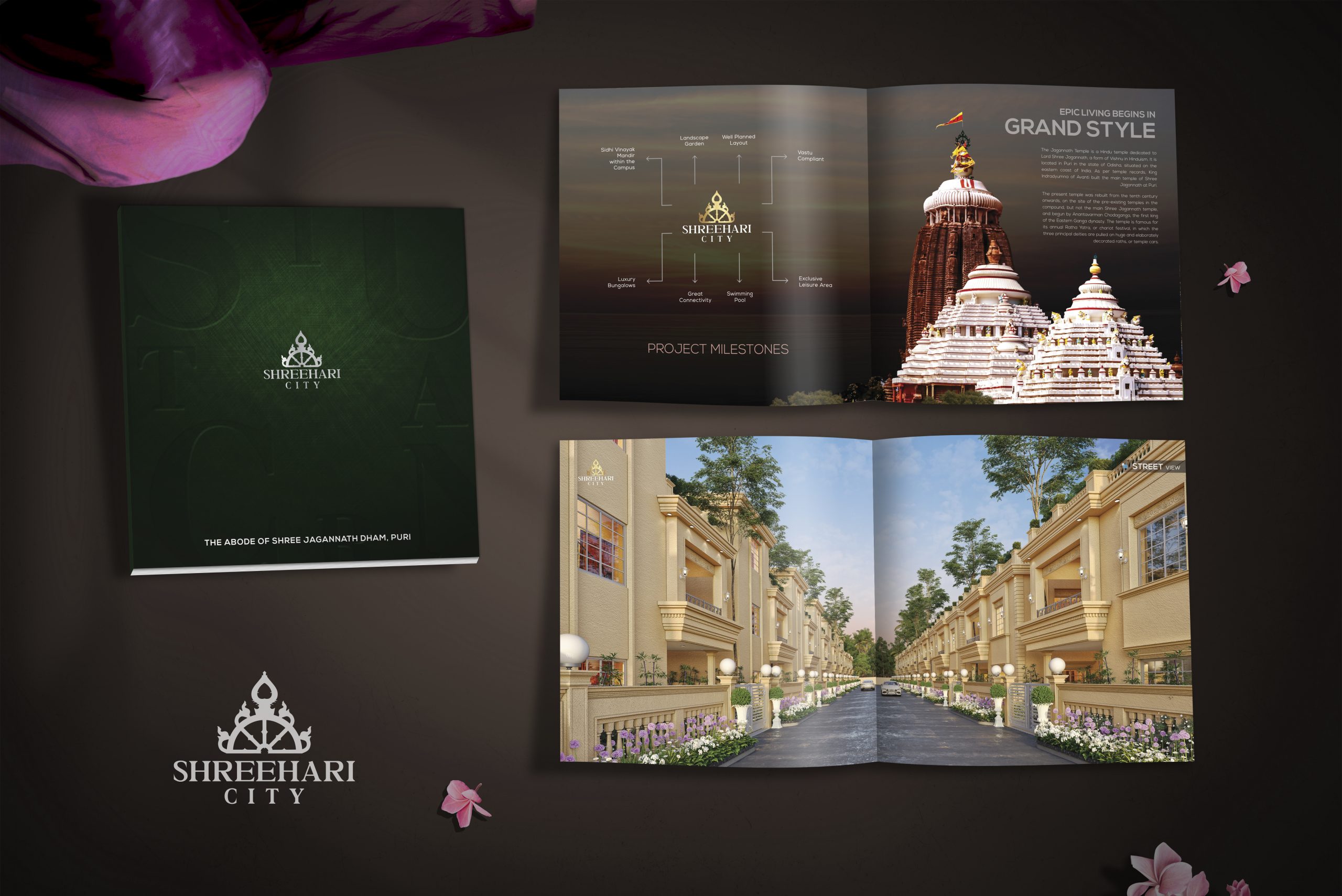
This is the essence of architectural 3D visualization, which is a larger concept that encompasses still images, 360-degree views, virtual reality experiences, and animated fly-throughs as a way of making architectural concepts attractive and persuasive.
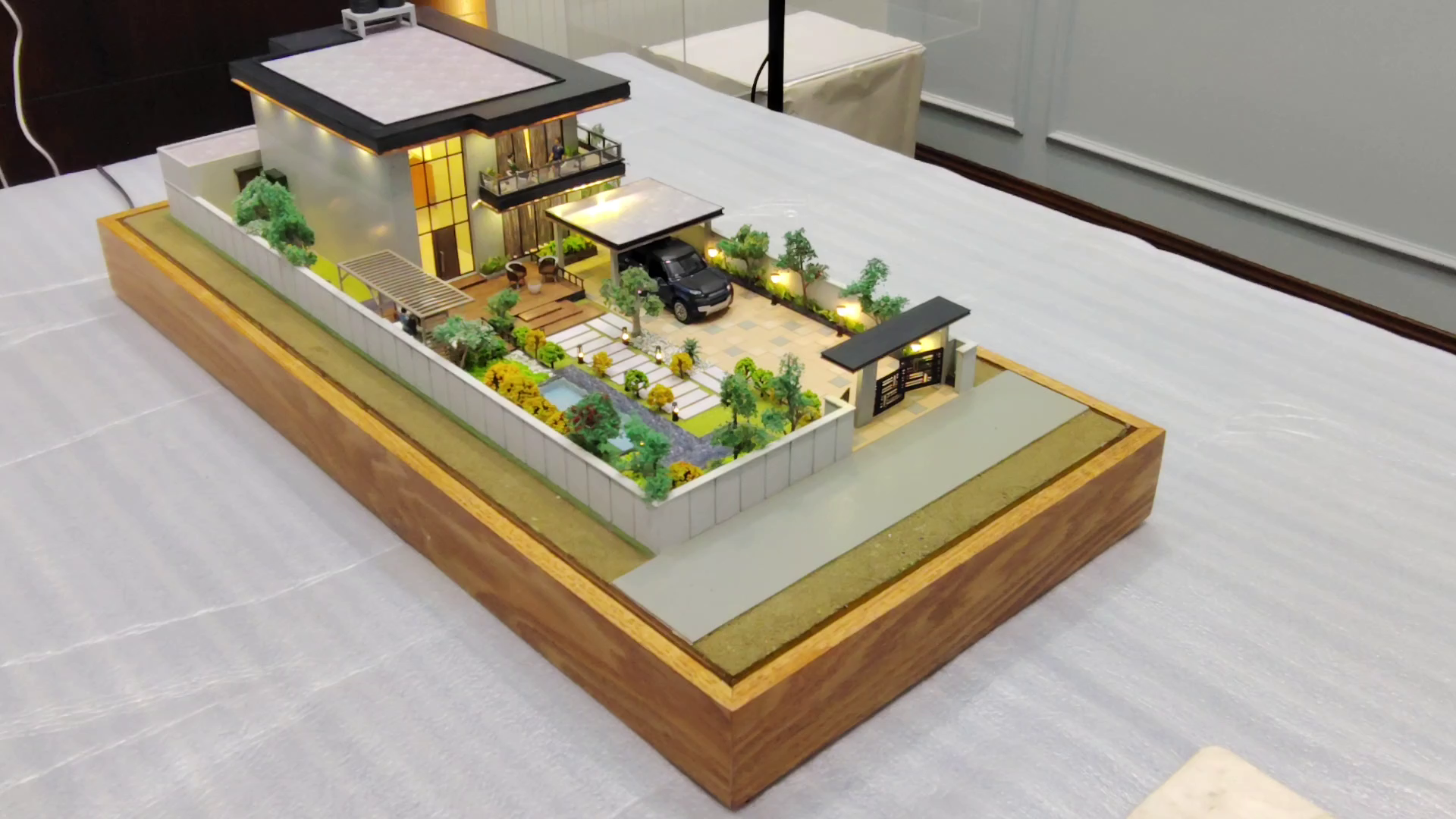
The 3D visualization of architecture fills the gap between the technical drawings and the actual perception. It assures that there is a common visual perception of a project by the architects, developers and the clients.
The Process of Architectural 3D Rendering.
To further clarify the definition of 3D rendering in a more practical environment, below is how the process normally runs:
1. 3D Modeling
It is a three-dimensional model created by professional programmes by architects or 3D artists of the structure. The model is designed on the floor plans, elevations, and design specifications.
2. Materials and Texturing
Wood, concrete, marble, glass, and metal are realistic materials that are applied on surfaces. The step increases the realism of architectural 3D rendering outputs.
3. Lighting and Environment Configurations.
The effects of natural light, artificial light, shadows, reflections, and landscape around are imitated. Lighting is very important in architectural 3D visualization since it defines the mood, realism and depth.
4. Rendering Output
A rendering engine is used to generate the following:
- Still images of high resolutions.
- External or internal descriptions.
- Aerial perspectives
- 360° panoramic views
- Animated walkthroughs
The resultant output is a presentable visual work that is good enough to be presented, marketed, or approved.
Reasons Why Visualization of Architecture in 3D is significant.
Architectural 3D rendering is not only a design instrument in the contemporary competitive real estate and construction market, but also a competitive weapon.
1. Better Client Communication.
The non-technical stakeholders may not understand complex blueprints. The visualization in 3D architecture is accurate and does not imply guesswork.
2. Better Marketing and Sales
To advertise the property, architectural 3D rendering is used by developers to render their buildings. The quality of images will assist in the attraction of buyers, investors and partners.
3. Faster Design Approvals
The decisions are made quicker when clients can observe the final result and save the time on the expensive revisions.
4. Design Optimization
The architects are able to experiment with materials, lighting, layouts in a computerized space and not invest in a real building.
Architectural 3D Rendering types.
There are several types of architectural 3D rendering:
- Exterior Rendering- Displays exteriors of buildings, landscaping, and environment.
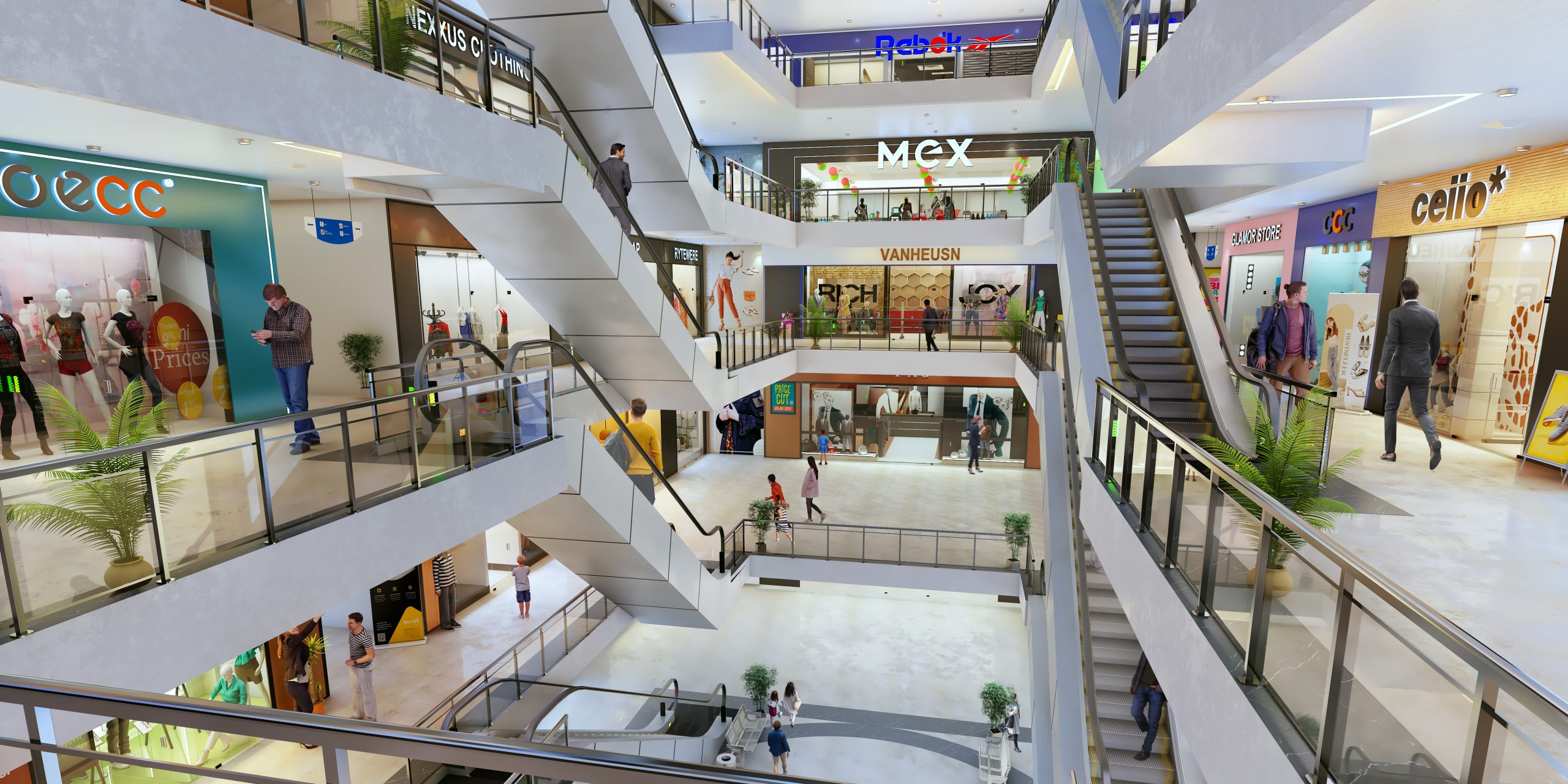
- Interior Rendering – visualises furnishing, room layouts, lighting and decoration.
- Aerial Rendering- This offers the bird eye perspectives of development areas that are large.
- 3D Walk through Animation- Provides movie-like displays of a house.
- VR Rendering Virtual Reality 3D visualisation buildings.
All the types are used with different purposes with regards to project objectives.
Comparison of Architectural 3D Rendering and Traditional Drawings.
The conventional architectural drawings are centred on measurements and technical aspects. Although needed to construct, they are deprived of feelings.
The use of architecture provides visualization in 3D, with realism, atmosphere, and narration to a design. It reveals natural light penetrating a living room, textures as well as property integration with the surrounding.
This is what makes architectural 3D rendering such a great communicative and marketing tool.
What Are the Architectural 3D Rendering Uses?
The 3D rendering of architecture is extensively applied by:
- Architects
- Real estate developers
- Interior designers
- Urban planners
- Construction companies
- Property marketers
In the case of luxury houses and even major commercial complexes, 3D visualization of the architectural plan is essential in the presentation and approval of projects.
Final Thoughts
The definition of 3D rendering in architecture can make the use of this technology more understandable: the development of design ideas into the digital images of reality, including insights into 3d rendering price in India. The architectural 3D rendering and architectural 3D visualization make ideas a reality, decisions easier and projects more confidence-driven.
With the ongoing development of technology, the 3D rendering of architecture is gaining immersion, interaction, and is becoming an indispensable part of the process of communication in design.


