








Why Do 3D Perspectives Sell Real Estate Faster?
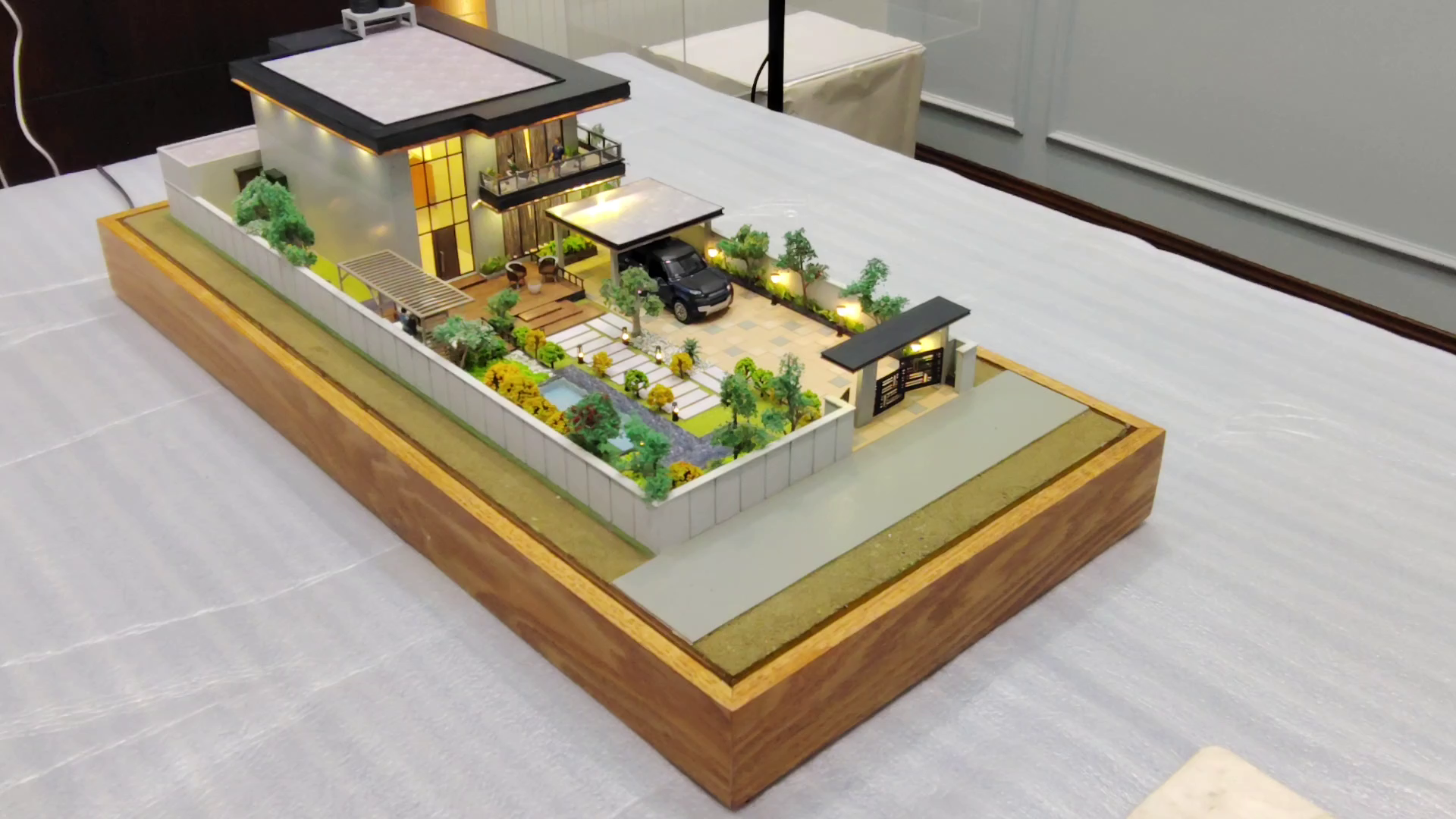
The use of 3D perspectives and sophisticated rendering technology elevates real estate sales by presenting a more vivid and captivating image of the property, fostering trust among potential buyers and speeding up their decision-making process. High-quality 3D tours and architectural visuals can help real estate projects sell up to 31% faster, and can even increase the value of the property sold, in percentages.
Immersive Visualization: Turning Interest into Intent
Eliminating Guesswork with Photorealistic Detail
A floor plan tells you dimensions. It does not tell you what the light looks like in the kitchen at 4pm, or how the ceiling height reads in the living room, or whether the master bedroom actually feels as spacious as the numbers suggest. Those things matter to buyers. They are part of what drives the decision.
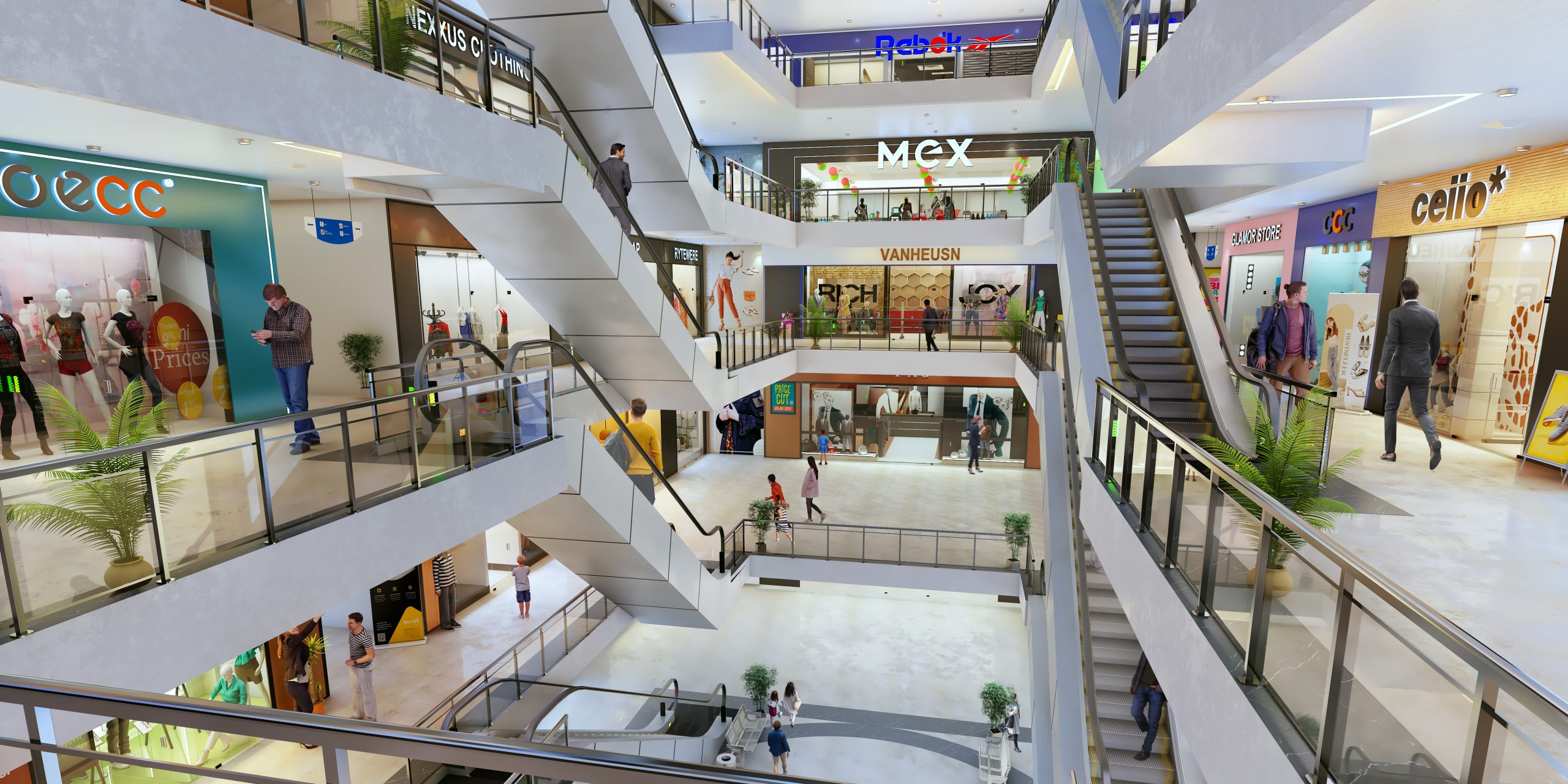
Photorealistic 3D renders answer those questions directly. Every material, every finish, every proportional relationship can be shown accurately before a single brick is laid. Buyers stop guessing and start evaluating. That shift from uncertainty to clarity is exactly what shortens the sales cycle. People do not stall when they can actually see what they are getting.
Creating Instant Emotional Connections with Buyers
Property purchases are emotional, even when buyers tell themselves they are being purely rational. The feeling of a space, how it reads visually, whether it matches the lifestyle a buyer pictures for themselves, all of this feeds into the decision. A well-rendered interior does not just show a room. It creates an atmosphere.
That emotional response is hard to generate through text descriptions or basic photography of empty shells. High-quality visualisation, done properly, puts buyers inside the property. They respond to it. And that response is what moves them from casual interest to a genuine conversation with the sales team.
3D as a Sales Accelerator in Real Estate Marketing
Simplifying Complex Designs for Faster Decision-Making
Developers often work with complex projects. Multi-level layouts, mixed-use elements, configurations that are genuinely difficult to read from technical drawings. Buyers without architectural backgrounds struggle with these. They lose confidence, ask more questions, take longer to decide, and sometimes walk away simply because they could not build a clear mental picture of the property.
3D visuals solve that problem cleanly. A complicated split-level apartment becomes easy to understand when it is rendered from multiple angles with furniture, lighting, and context in place. The buyer does not need to translate drawings. They just need to look. Decision-making gets faster when comprehension is not the obstacle.
Driving Pre-Sales and Increasing Conversion Rates
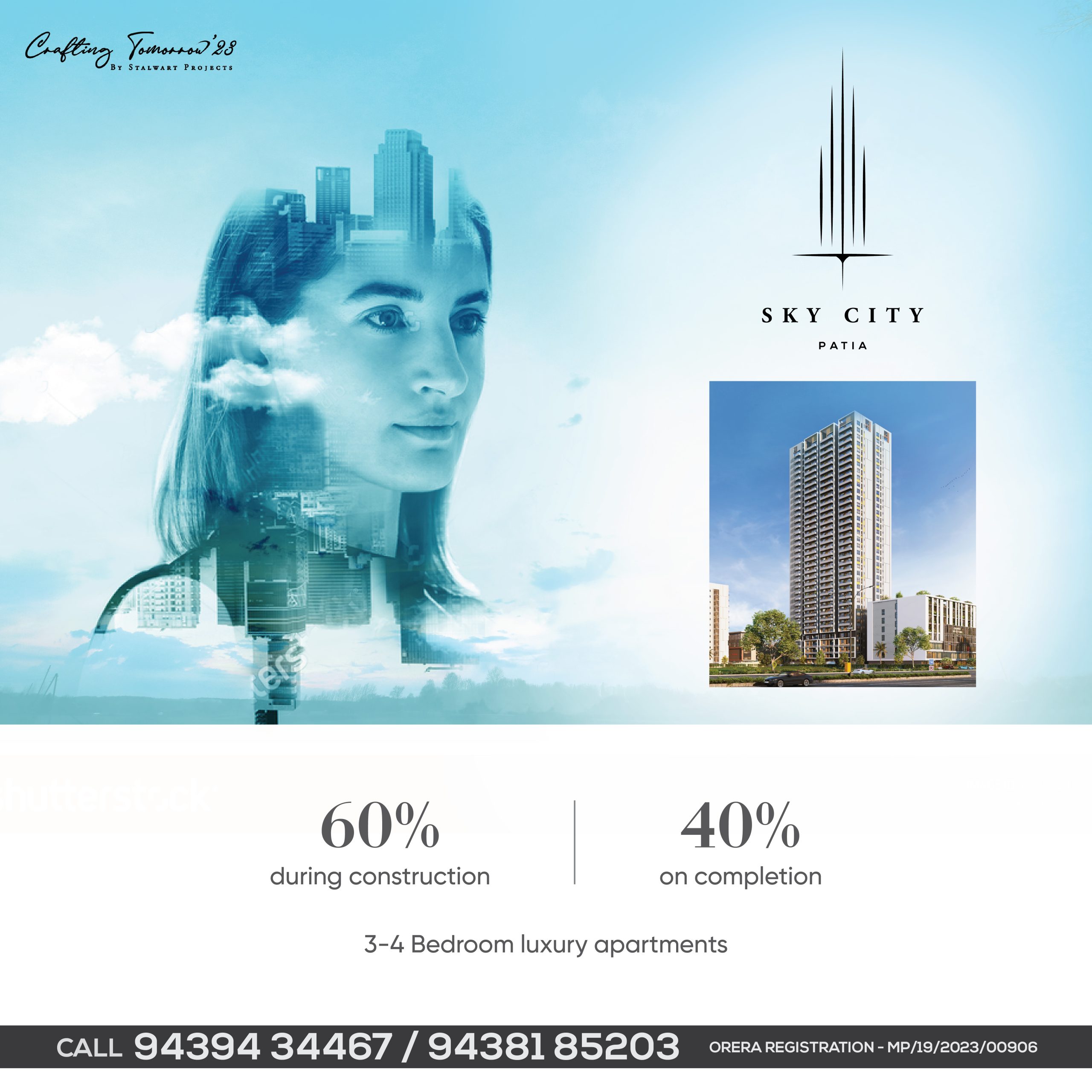
Pre-sales are where 3D visualization earns its value most clearly. Getting buyers committed before construction is complete is the goal for most off-plan projects, and architectural 3d visualization gives developers the tool to make that happen. Buyers who can experience a property visually, even when it only exists as a render, are far more likely to put down a deposit than buyers who are working from drawings alone.
The conversion data from developers who have adopted high-quality 3D into their sales process reflects this consistently. Inquiry-to-reservation rates improve. Time spent in the sales funnel shortens. Agents report fewer cycles of back-and-forth because buyers arrive to viewings already oriented to the product. The visual does a lot of the early sales work.
Building Buyer Confidence Through Visual Clarity
Enhancing Trust with Accurate Property Representation
Trust is the foundation of any off-plan sale. Buyers are extending significant financial trust to a developer based on a promise about what will be delivered. When the marketing materials look polished but vague, that promise feels thin. When they show the property accurately, in detail, with materials and specifications that match what will actually be built, the trust level shifts.
Accuracy matters here. Renders that oversell a property and then fail to match the finished product damage both the sale and the developer’s reputation. The best 3D work is honest. It represents the property as it will genuinely be, and that honesty is what builds the kind of buyer confidence that holds through the long timeline of a development project.
Personalization That Resonates with Modern Buyers
Modern buyers do not want a generic presentation. They want to see how a property works for them specifically. 3D visualization supports this through the ability to show different finish options, furniture configurations, and colour schemes within the same render set. A buyer who can see their preferred kitchen finish or flooring choice already applied to the space is engaged in a completely different way.
That level of personalization was not practical with traditional marketing. It is now. And for buyers who are comparing multiple properties across multiple developments, the one that lets them personalise the experience tends to be the one they remember and return to.
Conclusion: 3D Visualization as a Competitive Sales Advantage
The property market is competitive at every price point, and the tools developers and agents use to present their listings make a measurable difference. Using 3D perspectives in real estate is no longer an optional upgrade for high-end developments. It has become a standard expectation for buyers who are serious about their purchase and want to understand exactly what they are committing to.
Projects that invest in quality visual presentation sell faster, generate stronger pre-sales, and build more durable buyer confidence than those relying on traditional materials alone. That is not a subtle advantage. It is a genuine competitive edge in a market where attention is hard to earn and trust is harder still to build.


